4 Ways to Overcome the COVID-19 Crisis
in Korean Culture and Arts Industry
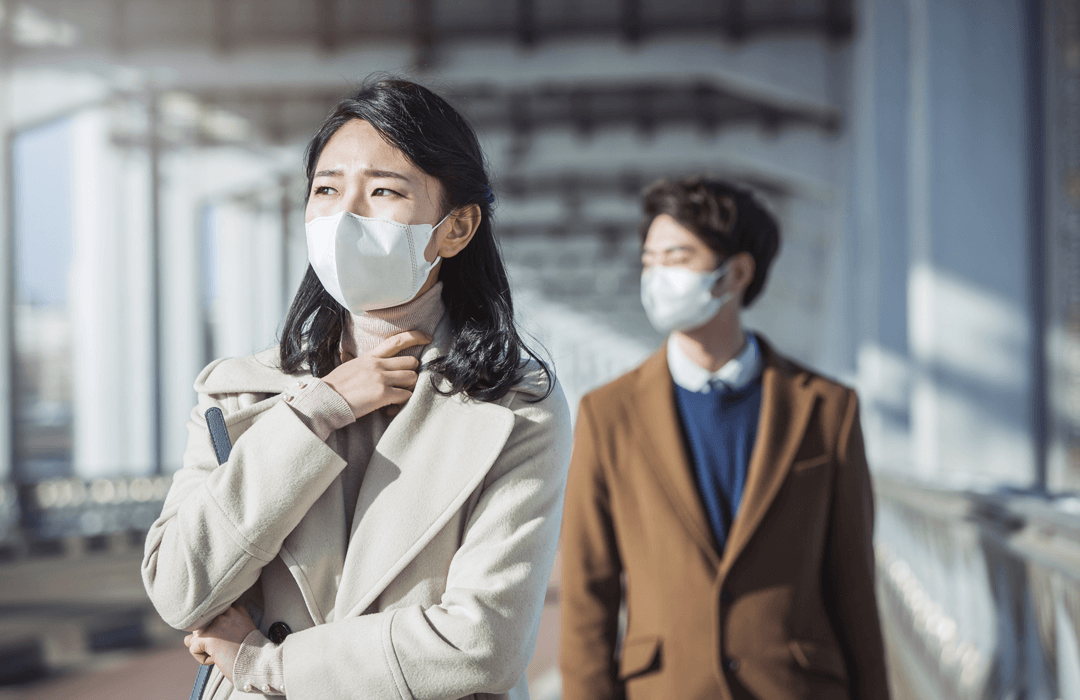

With COVID-19 reaching global pandemic status, the world has locked down. The culture and art industry has been particularly hard hit by the prolonged crisis. The coronavirus prompted the closure of spaces for art and culture, from small theaters to large museums. Various countries have been trying to come up with emergency initiative to prevent the sector from completely shutting down, and Korea is no exception. Given this, we will deliver the following key support measures to preserve Korean art and culture.
Idea contests for overcoming the crisis
The culture and art community is negatively affected by the coronavirus. Cultural organizations are consolidating ideas on how the industry can overcome COVID-19 to listen to the voices of artists and give them the help they need. The central and local governments and various cultural organizations are collecting creative ideas for overcoming the situation, that has suspended artistic activities and help find a way to provide financial support.
Seoul Foundation for Arts and Culture 〈Artists’ Secrets to Overcome the Disaster〉
- Collecting and supporting artistic ideas to overcome COVID-19
- 40 groups that have submitted feasible projects will receive financial support of KRW 3 million to KRW 15 million.
Korea Arts and Culture Education Service 〈Arts and Culture Education Anywhere〉
- Creating online content for arts and culture education
- Excellent proposals will receive video production support for online content
Emergency support for the culture and arts sector

According to a survey conducted by the Federation of Artistic & Cultural Organization of Korea, 88% of artists in Korea said their income has declined because of COVID-19. Local governments and cultural organizations created arts emergency relief fund to help stabilize the art and culture sector, which is experiencing a catastrophic decline in revenue. The Seoul Metropolitan Government announced KRW 5 billion worth of support for the artists’ emergency living expenses and job maintenance. Furthermore, local governments, such as those of Gyeonggi and Jeonbuk, are helping culture and art circles by participating in the “good rent” movement, where rental fees are reduced or waived.
Untact culture and art overcomes COVID-19
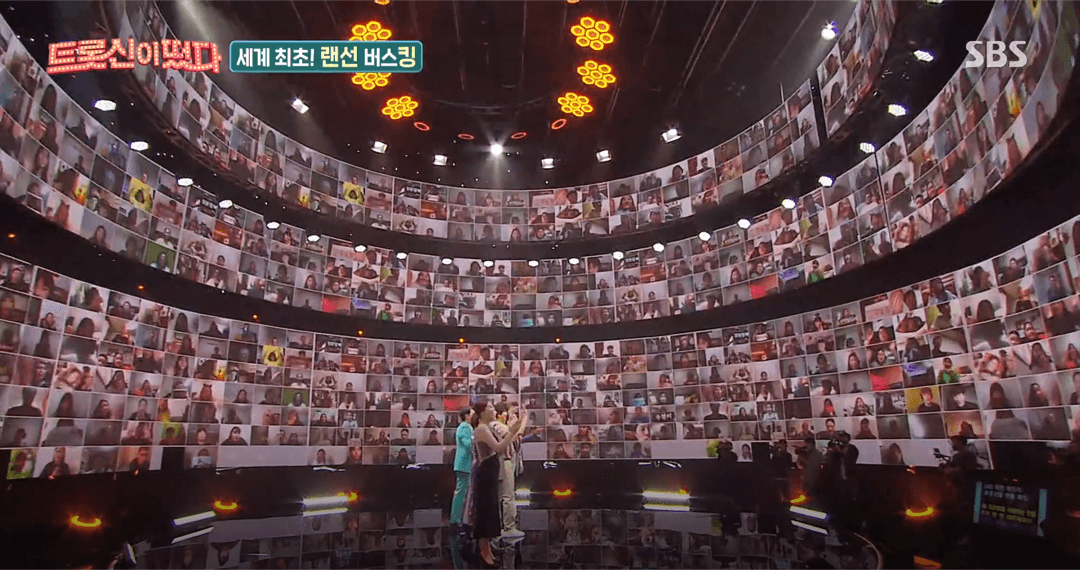
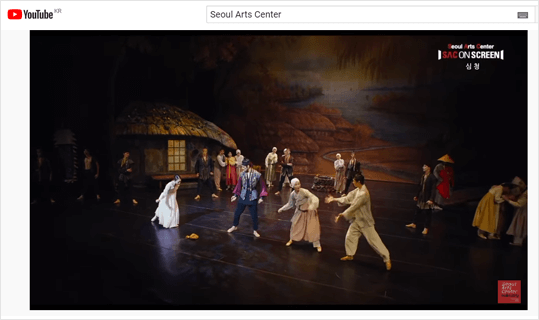
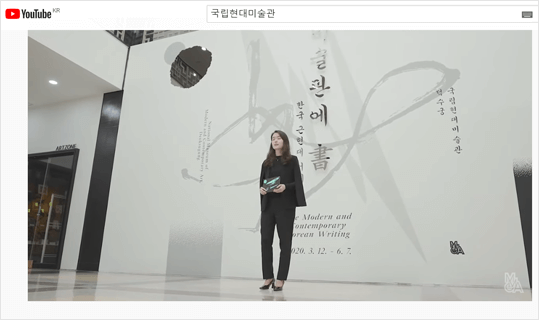
Since the lockdown has extended, performances are being canceled one after the other. Nevertheless, some artists in the industry have kept the sector running. There are various ways to protect audiences from COVID-19, and an example of social distancing performance art is the drive-in theatre. In addition, online live streaming and LAN performances allow artists to remotely communicate with their audiences without risking anyone’s health. In these new forms of performances, technology is utilized to support cultural artists and provide new experiences to those who are unable to enjoy arts and culture in traditional settings.
Untact is a newly coined word that combines the prefix “un-” (meaning “to deny and oppose”) with the word “contact.” Untact cultural performance refers to a new form of performance where audiences and artists do not need to meet in person.
Campaigns that underscore the power of solidarity

More than 3,500 people are participating in the “"Thanks to challenge", a cheering-relay campaign that uses sign language to impart respect, pride, and gratitude to the medical staff fighting against the coronavirus. Besides this challenge, the culture and art community plans to heal the tired minds of medical staff through art. They will conduct psychological healing programs using art and exhibit artworks inside medical facilities to help the medical staff return to their daily lives. Social distancing may have physically separated us, but these campaigns have brought us closer and have shown the power of solidarity.


