[CPI Cultural Trend] Series #1 Mongolian traditional dance “Biyelgee”
CPI Cultural Trend is the article from CPI participants who were selected as the 2020 CPI Reporter. They deliver main issues and trends of Arts & Culture industry in their country of their field four times a year. In this volume, a basic overview of their field and a work they do have been published.
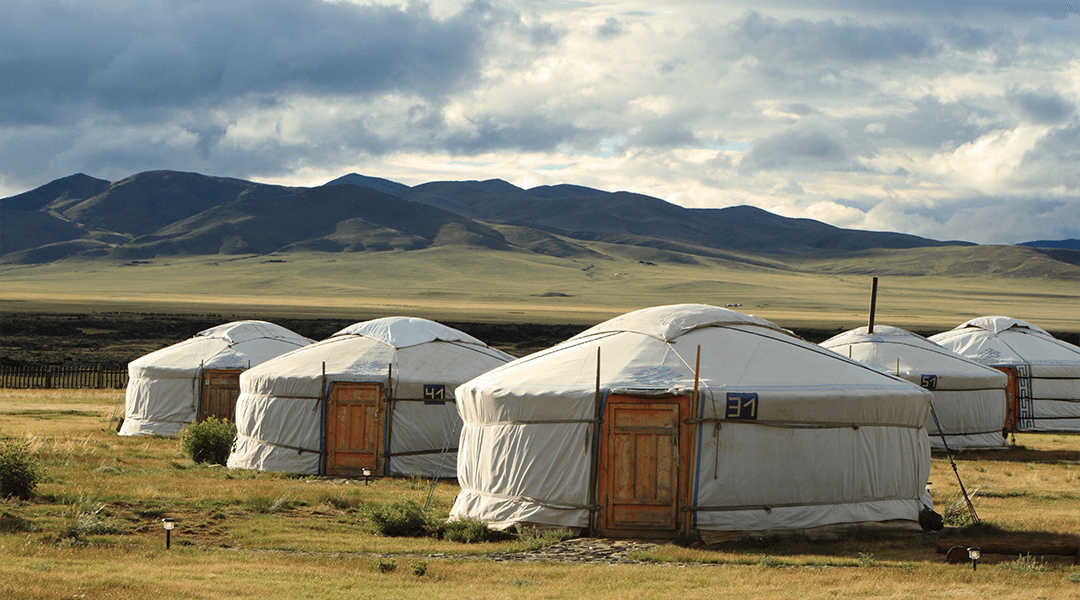
My name is Sandag-Ochir.J. I am Mongolian dancer and I graduated Mongolian State University of Art and Culture in 2017. Currently I have been working on introduce and promote Mongolian traditional dance to the new generation in Mongolia. In 1931, the establishment of the State Central Theater in Mongolia opened a new era of professional dance.
In 1941, the Army dancing branch was formed, and in 1956 European dance began in Mongolia. The first generation of the Mongolian ballet dancers were trained in the USSR. With the democratic changes in Mongolia beginning in the 1990s, new generation of dancers are introducing modern dance.
I'm worried that young people in Mongolia don’t know about traditional dance. Traditional dance may not be interesting for them. I think everything has its own time. So I made a dance choreographer group which is combination of traditional dance and contemporary dance such as B-Boy and hip hop. As a result, young people could have interest in it.
I have five creations. I have a goal to be a first contemporary master of Mongolia. Despite the strivings of young talents, there are many obstacles to develop the Mongolian contemporary dance into an international level. It's still facing the lack of experience, financial shortcomings, poor management of foreign relations, etc. We need more developed policies that can support the field of dance.
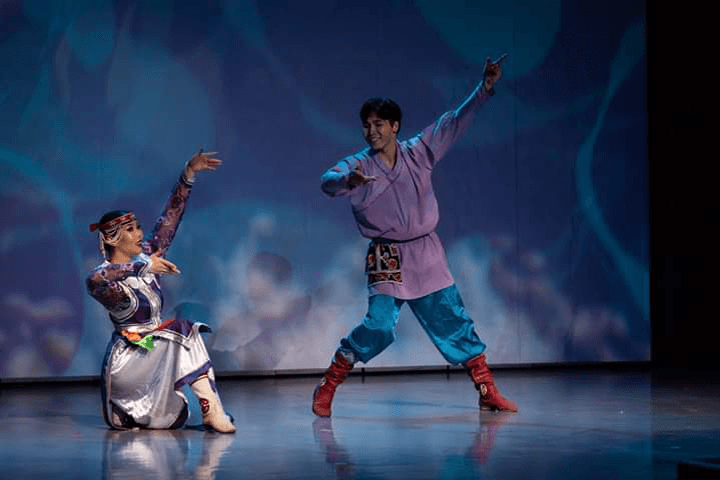
I taught a Mongolian traditional dance (Biyelgee) to Trust Dance Theatre, which is my partner organization in 2018 CPI Program. People were interested. The “Biyelgee” is a typical dance in western Mongolia. It is performed with Mongolian traditional instruments, such as the morinkhuur(horsehead fiddle) and the yochin(similar to the xylophone). Biyelgee is traditionally performed on the limited space before the hearth, so dancers practically do not use their feet. Instead, the dancers principally use only the upper part of their bodies. They express various aspects of their identities such as sex, tribe, and ethnic group through their rhythmic movements.
Today, most of the people who inherit Biyelgee dance are elderly people and that numbers are decreasing. The inherent diversity of Mongol Biyelgee is also under threat, as there are very few representatives of the distinct forms of Biyelgee in different ethnic groups.
When examining the dances, it is useful to recall that the way of dancing Bielgee and other traditional dances has been transmitted and modified from the traditional way. It reminds us that we need to change over time.
I regularly took part in competitions and visited other countries to perform. For example, I successfully organized “2018 Shinhanryu Dance Contest” in both Korea and Mongolia. I performed a “Mongolian wolf dance” which is combination of traditional and contemporary dance. It was a descriptive dance, actually a pantomime. Dancer acts a life of wolf, such as yowling in the steppe, loving and living, etc.
I've learnt about modern and contemporary dances and political policy in 2018 CPI program. I still share this information with other people. Moreover, the CPI program played an important role in the development of Mongolia’s culture and arts.
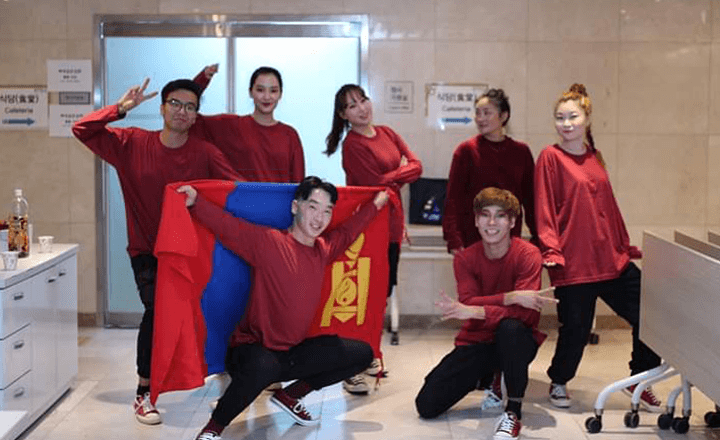
So I hope the Government of Mongolia can support various dances. I implemented “I CAN DANCE” project for 2 months in Korea, which involved around 500 Mongolian young people who live in Korea. I taught several dances which is combination of Mongolian traditional and contemporary dance. They were very happy.
In connection with this project, I made a new choreography named "MONGOLZ" which is combination of Mongolian national dance and contemporary dance. The Folk arts and native wisdom played an important role in creating MONGOLZ dance.
Song and dance, music, decorative arts, and other kinds of folk arts are included in the MONGOLIAN ceremony. It is representive characters of Mongolian energetic people. Each dance is distinguished by extraordinary flexibility, composition, and color. This dance has reached about 50.000 people on the social network such as Facebook and Instagram. Also even foreigners want to learn Mongolian traditional dance.
I am planning to implement ‘I CAN DANCE project in Mongolia. The aim of this project is to introduce and educate dance to everyone.

Dance is the purest expression of every emotion and spirit.
Dance is my life and nobody can take away my dream.


Sandag Ochir(Mongolia)
He is a choreographer of the State Central Theater in Mongolia. He received training at Trust Dance Company (2018)


