[CPI Cultural Trend] Series #2Challenges and Opportunities as a Mongolian dancer
CPI Cultural Trend is the article from CPI participants who were selected as the 2020 CPI Reporter. They deliver main issues and trends of Arts & Culture industry in their country of their field four times a year. In this volume, a basic overview of their field and a work they do have been published.
“Lockdown” brought unexpected changes
One of the major obstacles in my field is the effects of COVID-19, particularly the lockdown. The first COVID-19 case in Mongolia was confirmed on 10 March 2020. 331 suspected Mongolian cases were reported between 6 January and 30 July 2020. As the COVID-19 pandemic is spreading rapidly, it is currently difficult to determine its full impact. However, we can see that the virus has already begun to affect the economy of Mongolia from the data provided by the National Statistical Office. The Mongolians implemented social distancing measures early on and has been prohibiting public events since February 27. In the case of the dance industry, this does not only affect staff but also dancers who are making a living by performing in venues across the country. Venues and arts organizations are hit much harder by the lockdown than other industries, such as bars and restaurants. Many of us working with foreign dancers to support education usually schedule their performances up to one year in advance. Thus, travel arrangements and marketing expenses for cancelled engagements contribute to the general loss.
The efforts to limit and challenges
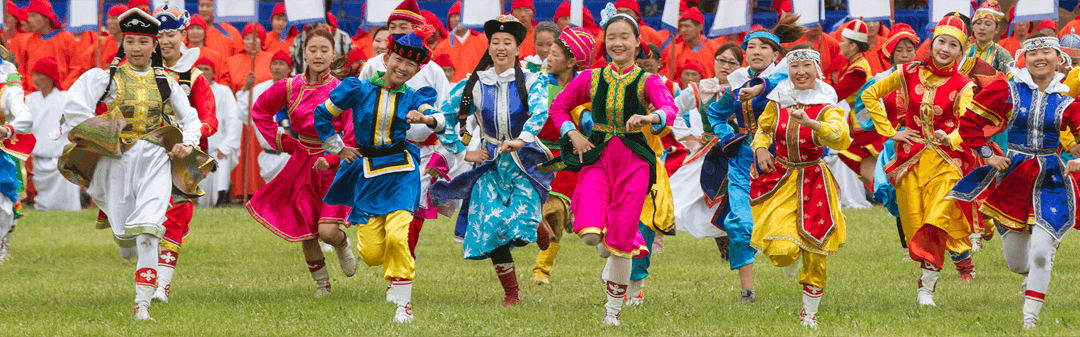
Dancers need to generate additional income as their wage is not sufficient to making a living. The situation for freelance dancers is even worse. Other industries are trying to develop concepts for creating income through some online channels, but it is hard to get the opportunity for dancers. Moreover, most dancers in Mongolia are rather young, which means they are responsible for a large part of their family income.
As things start to become a little more serious, the Mongolian government is taking certain step-by-step measures. Since private entities are having difficulties in making social insurance payments, they have been exempted from payments from April 1 to October 1. The policy response is a largely significant support for entities. It is deemed to be important, fruitful and beneficial for the field of culture and arts. Tsagaan Sar(The Mongolian Lunar New Year) was officially cancelled by the National Security Board. The government of Mongolia declared emergency high alert status on Feb 12, 2020. Based on the health system, awareness was raised, isolation camps were set up and everyone wore face masks.
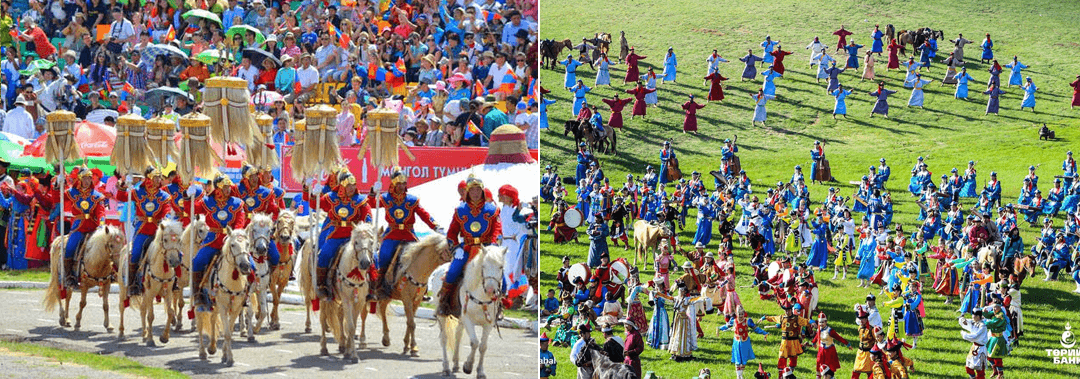
In spite of this crisis, we are trying to keep working on the art and culture industry. The Mongolian Naadam Festival took place as a live streaming event to avoid public gathering between 10 July and 13 July. In an effort to prevent spreading the virus, the Naadam Festival was delivered to the entire nation using technological advances and solutions. Under the prohibition on public group gathering at the Central Stadium and Khui 7 Khudag, everyone enjoyed the live broadcast.
Throughout history, the lives of dancers have always been full of economic and emotional challenges. Most dancers have experienced social and psychological insecurities, and often face an uncertain future. Yet the same emotions drive them to continue on their path. In these trying times, when the whole world is talking about resilience, the Mongolian young dancer scene is a great example of how to deal with the manifold challenges.
The crisis is an opportunity
The government of Mongolia, all emergency agencies and health organizations are still working hard around the clock to prevent the spread of the COVID-19 virus since January. Meanwhile, the government is expanding its ‘Shock-Responsive Social Protection Project’ with food support and relief funds on a temporary basis.
These measures include promoting universal personal protection and prevention, such as the use of hand sanitizer, restricting international travel, suspending all training and educational activities from kindergartens to universities, and banning major public gatherings such as the celebration of the national New Year holiday. These measures have been accompanied by active infection surveillance and self-isolation recommendations. The Mongolian case shows that an effective response to a pandemic with robust preventive systems can be mounted in a low or middle-income country. Mongolia is hereby examining the emergency preparedness experience, effectiveness, and challenges of the early outbreak policies on the COVID-19 prevention within the country, as well as any unintended consequences.
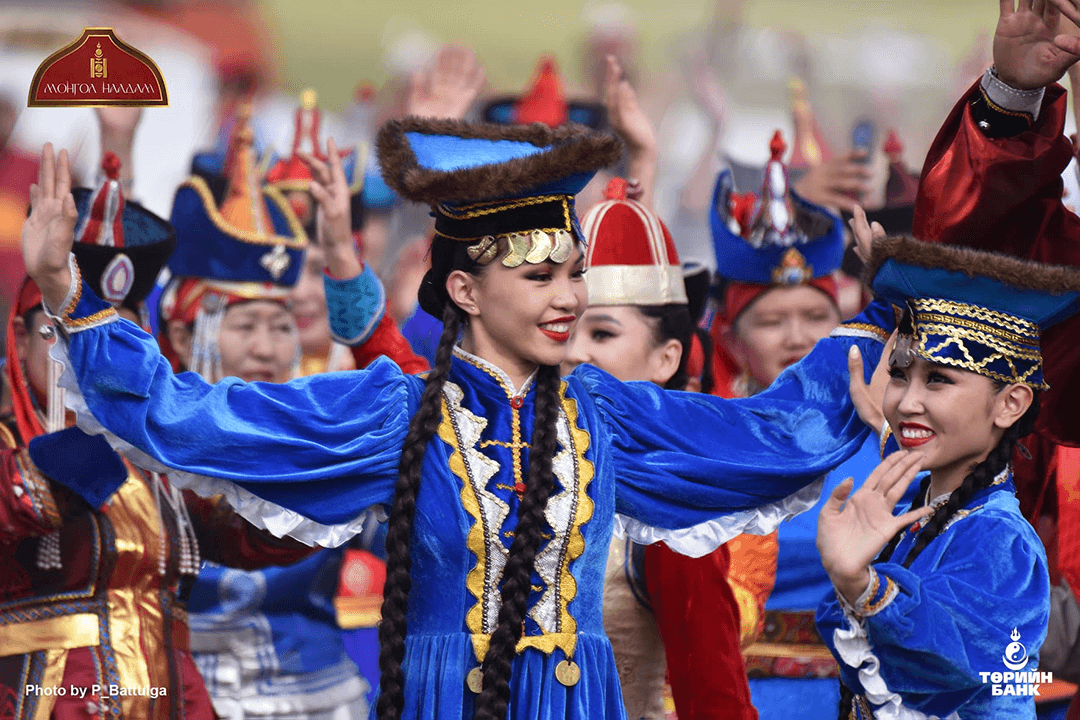
Several dancers started to learn how to connect with audiences through social media such as Facebook, Instagram, etc. Everyone will be able to enjoy performances in contactless ways through social media, radio and television.
In addition, the government of Mongolia established the Ministry of Culture separately over the COVID-19 pandemic, which was a great success. Even though the COVID-19 pandemic is negatively affecting the Mongolian dance industry, it brings us new inspiration and a deeper insight.

Sandag Ochir(Mongolia)
He is a choreographer of the State Central Theater in Mongolia. He received training at Trust Dance Company (2018)


