[CPI Cultural Trend] Series #2 The After Earthquake Rehabilitation
CPI Cultural Trend is the article from CPI participants who were selected as the 2020 CPI Reporter. They deliver main issues and trends of Arts & Culture industry in their country of their field four times a year. In this volume, a basic overview of their field and a work they do have been published.
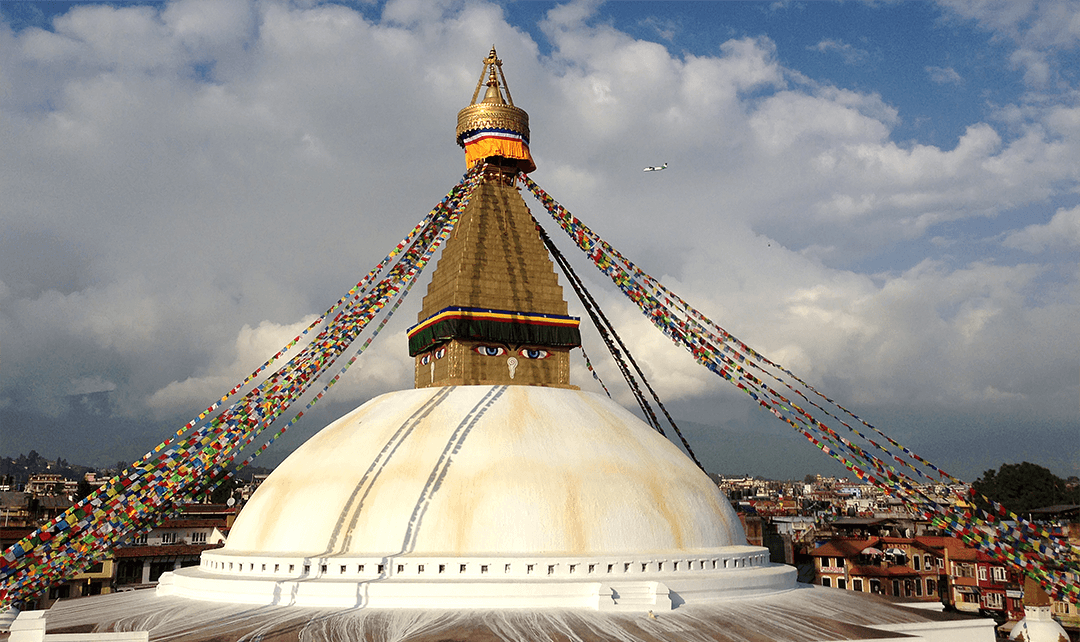
As described also in the earlier issue of this webzine, Nepal faced a devastating effect of earthquake in cultural heritage in 2015 and presently confronting with the worldwide COVID-19 pandemic. After this quake, the entire activities of the Department of Archaeology have been centered on the rehabilitation work until these days. This article however is not about the effect of the earthquake but deals with the problems, issues and challenges Nepal has been facing in cultural heritage rehabilitation and the impact of the present pandemic. The cultural heritage rehabilitation works in Nepal, especially after the devastating earthquake of 2015 which caused wide rampage and damage to many cultural heritages across the country, have been facing number of problems and issues which are briefly described in the following paragraphs under the heading.
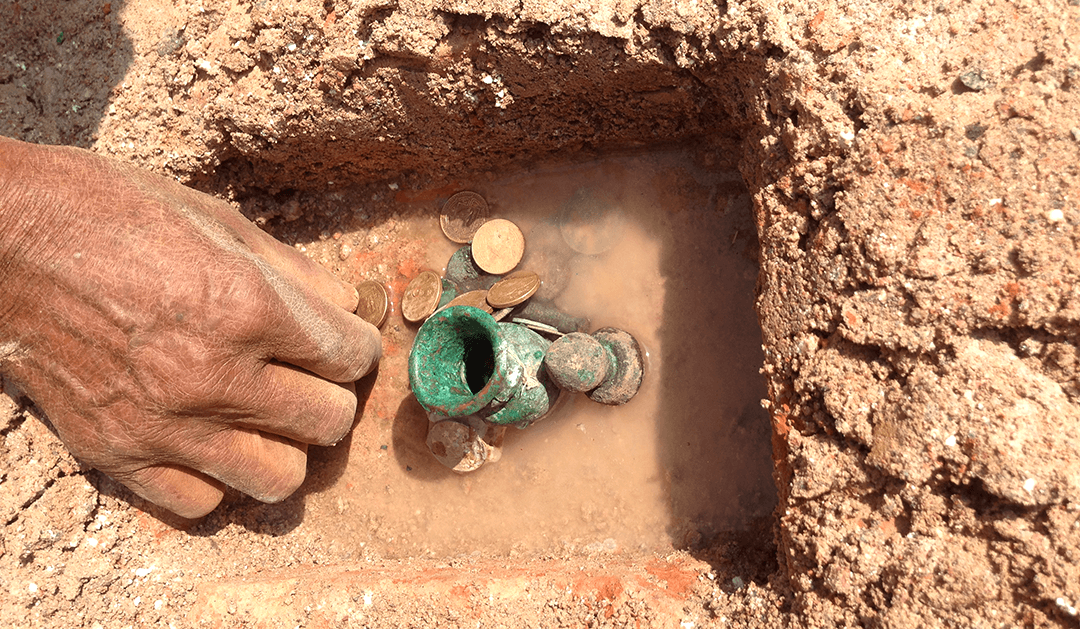
Technical Problem in Heritage Conservation and Rehabilitation
After the earthquake, taking it also as an opportunity, the field of heritage conservation and rehabilitation has been largely reviewed. The problems and issues appeared and were faced from the very beginning phase of the immediate response of damaged heritage. Application of excavator in rescue operations, involvement of untrained people in evacuation and salvaging of ruined heritage material, inappropriate storage, inadequate temporary protection etc were the initial problems. Among many technical issues, the philosophical aspect of conservation became the topic of heated arguments and discussions above all. The philosophical/technical opinion is divided into two distinct lines. The first opinion insists on the application of traditional knowledge and technology as well as traditional skill which ensures the preservation of heritage values and also advocates that the structures made with traditional material and technology are earthquake resilient. While the other line of opinion argues that modern materials and technologies should be applied to assist the heritage conservation which ensures that heritage structures are safer and more resilient to earthquake. As a supreme authority for heritage conservation, department of Archaeology is in high pressure in dealing with both of those lines. There is one of high sociopolitical line which lacks professional knowledge and which is strongly in favor of modern techniques whatever can make the structures long lasting as well as economic. The other line is heritage professionals, which has not only the deep faith on traditional architecture but also has professional knowledge about it. Fortunately, the rising public outcry of aware youths has been instrumental for the Department to calm down the first line which is in favor of modernization and to promote the traditional techniques.
Apart from the philosophical argument, the reuse of old material has been another technical issue in conservation and rehabilitation. Minimum intervention and reuse of material of art and archaeological value is latest universal principal of cultural heritage conservation. There is no confusion that the reusable material, also with general repair if required, should be reapplied in its original state while restoring the damage heritage. But the technical problem that an archaeological officer or a conservation architect has been facing is the lack of scientific testing of the material; so the testing is being carried out only on the basis of visual assessment. In the same way, mud is a traditional mortar in masonry wall in Nepal and also being applied in present restoration work. However, the manual defining the quality of the mud as mortar is yet to be made.
Legal issues constraint in Heritage Conservation and Rehabilitation
Traditionally Guthi, a traditional trust, used to function as a responsible authority for all kinds of conservation and management of monuments or sites of cultural and religious significance. However, in present context, the DoA looks after the tangible part of the culture leaving the responsibility of intangible to Guthi. There are some legal tools to manage all the heritage issues. Ancient Monument Preservation Act, Basic Guidelines for the Conservation and Reconstruction of Earthquake damaged Heritage etc. are the various legislative tools to guide the heritage issues. Among all, the Ancient Monument Preservation Act(1956) is basic tool to guide the heritage related matters. The big constraint is that the Act has not been amended for more than 10 years. On the other hand, the proper national legal tool to guide the Cultural World Heritage Property is yet to be issued. Fortunately, the Conservation Guidelines(2015) and the Manual(2016) are promulgated even though they are inadequate to address various issues of rehabilitation. There is Cultural Policy but almost silent about the built heritage.
Above all, there is a state regulation 'Public Procurement Act' which has a lot of constraints and setbacks when dealing with heritage conservation projects. As the DoA is a government body, it is bound by state regulations and this act oftentimes comes as an impediment to complete the conservation works. With this act in place, it is mandatory to implement any construction project through tendering process when the total cost goes beyond the specified limit. While tendering, according to the Act’s provisions, project is awarded to the lowest bidder. There is a risk that in this situation the quality of the work might be compromised.
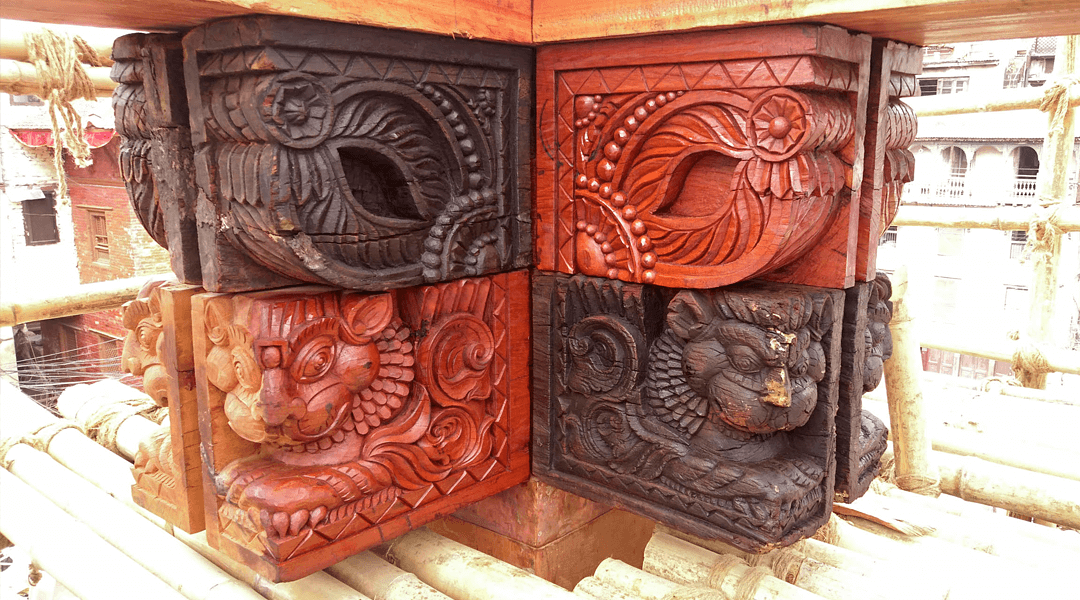
Administrative Limitation
The major administrative problem the Department has been facing is inadequacy of employees. In the aftermath of the earthquake, the number of conservation projects to implement has remarkably increased while the personnel to handle those projects are inadequate resulting in limited number of staff handling too many projects. There is risk that the effectiveness and quality of the work might be affected. The lack of skilled human resource has been faced as another administrative problem.
Another problem or challenge to be dealt by the Department is about multiple authorities in heritage conservation. There are Local Governments, several trusts and committees and some NGOs and INGOs to work for heritage. After the earthquake, international assistance also is solicited for the support on conservation and rehabilitation, since it was not possible to handle the massive rehabilitation work only by the Department. Though the Departmental approval in individual case of restoration/conservation is mandatory, mentioned agencies are always reluctant for this administrative process which is a major tool of quality control. Some of the international agencies want to implement their own rules and practice which might be adverse to the local practice.
Resource problem
Both the human and financial resource have also been major constraints. Traditional heritage conservation work is an expensive work by its nature; but the national budget generally allocates meager amount for such works which results into the lack of required resources. According to the accepted principle, budget should be allocated according to the estimate but vice versa is in practice which is regrettably adverse in relation to conservation works. The obligation to equally distribute budget among the states is another problem which does not let priority projects to be implemented within the time frame effectively.
The circumstances and impact of COVID19 pandemic
Owing to the Novel Corona Virus (COVID-19) pandemic and the consequent enforcement of lockdown by the government not only hindered community interaction but also affected tangible and intangible cultural heritage.
Because of this pandemic, intangible cultural heritage has been directly impacted. All the religious, cultural and ritualistic activities which are the regular and uninterrupted practice for centuries and have been carried out annually are cancelled suddenly. It can cause a long-term impact on tangible heritage also, since almost all intangible practices are linked with tangible heritage. More than seventeen significant cultural celebrations (Jatras) are interrupted within Kathmandu Valley only; and the numbers are over fifty if we count of entire country. Though the Lock-down is over recently, all the museums, cultural feast and festivals, pilgrimage are still not allowed to perform.
The lock-down caused by COVID19 pandemic also has largely impacted the after earthquake rehabilitation work. Almost for three months all the restoration work remained completely stopped. The lockdown affected the production and supply of construction materials, availability of labors or craftsmen and supervision of the government authorities. It will possibly take a long time before everything comes to normal.
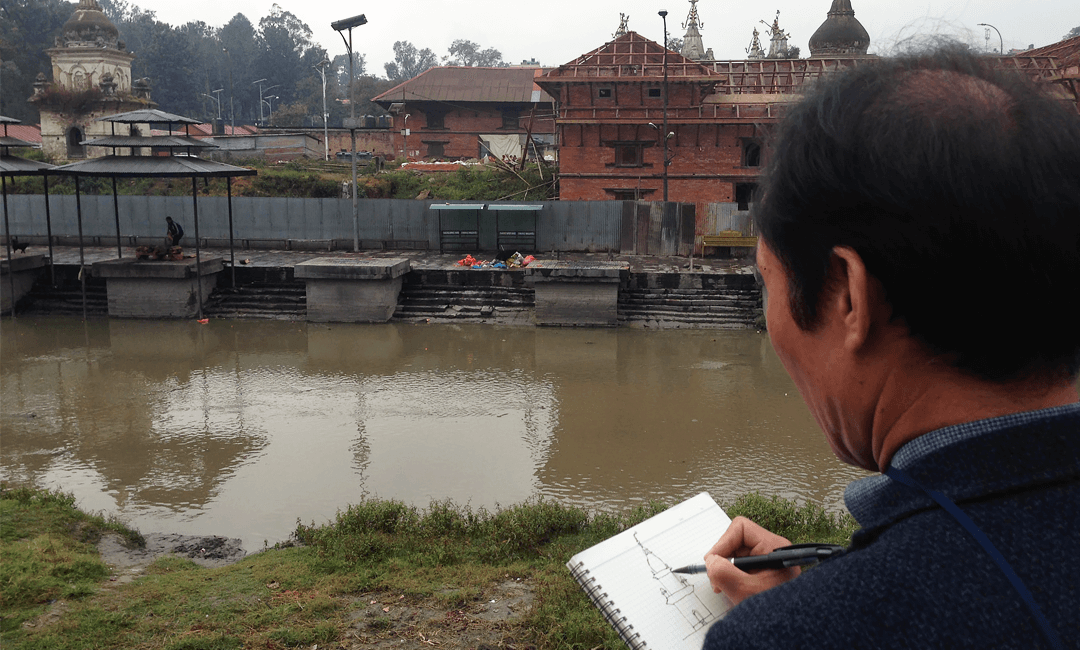
In spite of all these challenges, Nepal has achieved remarkable success in heritage conservation and preservation. The most important of all, vast number the general people and intellectuals vindicate for the betterment of the heritages without altering its original shape, size and authenticity. This strong voice has been useful to oblige the government to prioritize the conservation works and to support the Department of Archaeology to carry out its responsibility effectively.

Debendra Bhattarai (Nepal)
He is working in department of archaeology, government of Nepal. He participated in Cultural Heritage Expert Research Fellowship (2016) at Korea Cultural Heritage Foundation


