[CPI Cultural Trend] Series #3Present and Future of Mongolian Traditional Dance
CPI Cultural Trend is the article from CPI participants who were selected as the 2020 CPI Reporter. They deliver main issues and trends of Arts & Culture industry in their country of their field four times a year. In this volume, a basic overview of their field and a work they do have been published.

The impact of Mongolian Traditional Dance on society
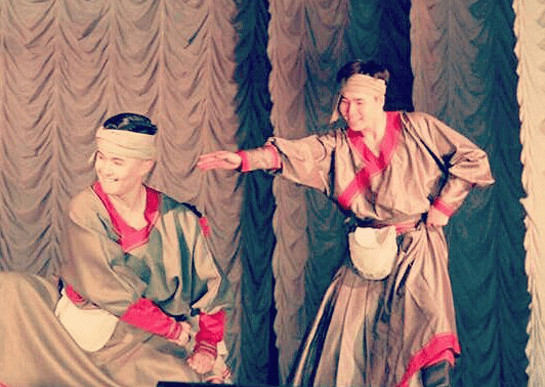
Mongolia has an extremely rich culture, full of skilled and creative people. The country’s talented artists produce work as unique to Mongolia as Mongolia’s cultural heritage is to the world. Art forms with uniquely Mongolian elements include music, dance, clothing, crafts and literature. For example, Mongolian traditional dance field has distinguished art expression which has embody and originate from the nomadic way of life of Mongols that expressed lifestyle, customs, traditions and spiritual practices through dancing elements.
The exactly example of Mongolian traditional dance is “Mongol biyelgee”. This dancing movements are typically confided to small space inside the Nomad’s dwelling-ger. In particularly, biyelgee performers praise and dance imitating the expressions of their lifestyle, household activities, courage, love, prides and livestock to the accompaniment of horsehead fiddle (morin khuur), Mongolian guitar (tovshuur), Mongolian music (tsuur), coupled with ethnic costumes.
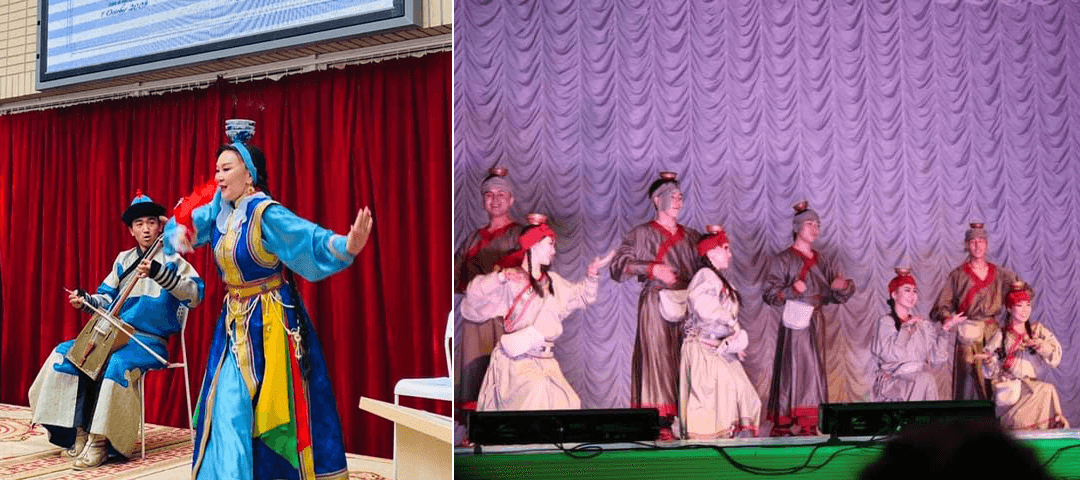
Another popular Western Mongolian dance is performed with cups. They balanced cups full of water on their heads without spilling a single drop. The dance varies depending on whether the cups are balanced on the head, hands, or knees. The Derbets, Zakhchins and Torguts dance with the cups on their heads and the backs of their hands, while the Bayads balance the cups on their knees. Significantly, only males danced with cups on their knees. The dancers squatted as low as possible, spreading their legs apart to the width of their shoulders, which was thought improper for females to do. In olden days, the dance with cups on the knees was performed on festive occasions, such as feasts and wedding parties.
Each dance is distinguished by extraordinary flexibility, composition, and color. Mongolian traditional dance has always preserved the lifestyle and features of the people. So the dance field plays an important role in the development of the country's history.
I think the dance industry is the easiest way to get to know and promote Mongolian national culture. Because, Mongolian national dance always expresses ceremonies, etiquette, nomadic customs by traditional trend.
The major support policy to invigorate the Traditional Dance
The adoption of the State Policy on Industrial Sector in 2015 represents a clear commitment of the Mongolian government to support cultural and creative industries. One of the objectives of the National Program on promoting cultural and creative industries is to train adequate human resources needed for the development of cultural industries. The project “Reshaping cultural policies for the promotion of fundamental freedoms and the diversity of cultural expressions” (2018-2021) is implemented by UNESCO, with the financial support of the Government of Sweden. It concerns 16 partner countries, including Mongolia. This project responds to the expressed needs of Parties seeking support to strengthen the human and promote the diversity of cultural expressions. For this purpose, facilitates public debates on emerging topics such as gender equality in the culture sector, media diversity or artistic freedom. Mongolia has been implementing various activities in the field of cultural industries and media.
On the other hand, Mongolia's dance industry is stagnant. Artists need a comprehensive policy to support the dance industry, as the dance industry is a transparent expression of Mongolian traditional way. The Artists hope that this proposal will be reflected in the above project.
The improvements for the better future
The Cabinet also approved a working strategy, program on organizational change and structure and limit on job positions of the new Ministry of Culture July 16 in 2020.
Law on Culture, resolution and Law on the Protection of Cultural Heritage, the program has been developed taking into consideration of global trends, tangible condition of cultural industry and the national feature. And the Ministry of Culture was planned to have seven departments namely - Strategy and Policy Planning, Culture and Enlightenment, Art and Artworks, Cultural Heritage and to have 78 staff in total.
The Artists now lack the funds and infrastructure necessary to carry out their projects and activities. In addition, the drastic reduction in government support for the arts combined with a lack of tax incentives that encourage private donations to the arts creates a major deficit in Mongolia's cultural development and the preservation of the nation's cultural heritage.
Therefore, we believe that the new Ministry of Culture will solve above issues in accordance with a comprehensive policy and will open valuable contributions and opportunities for the development of the dance industry to its artists.
The Artists are striving not only to see the positive policies of the state, have to create more successes and works based on their existing opportunities and to introduce Mongolian traditional dance to the world.

Sandag Ochir(Mongolia)
He is a choreographer of the State Central Theater in Mongolia. He received training at Trust Dance Company (2018)


