[CPI Cultural Trend] Series #3Cultural Policy in Nepal
CPI Cultural Trend is the article from CPI participants who were selected as the 2020 CPI Reporter. They deliver main issues and trends of Arts & Culture industry in their country of their field four times a year. In this volume, a basic overview of their field and a work they do have been published.
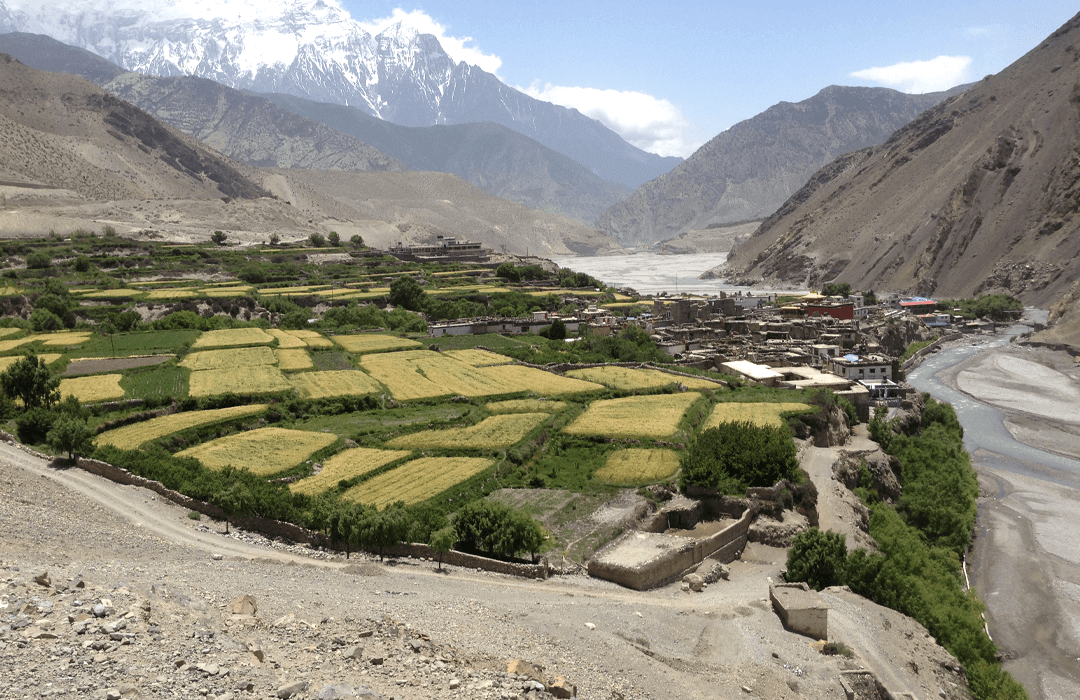
What prove the cultural affluence of Nepal are the historical facts which reveal that religio-cultural phenomena have always been top national priority since ancient time. Nepal, being a land of more than 123 indigenous tribes speaking more than 102 dialects, is a country of multidimensional culture. Most of the cultural background of Nepal seems to be of religious nature. As in the world system of cultural study, Nepal also has started for 4 decades now to categorize the culture as tangible and intangible to preserve and protect both categories accordingly. The existing cultural policy of Nepal also is in tandem with these categories. However, it becomes complex at times, because of the cultural background of Nepal, to categorize the culture as tangible or intangible and study them separately. Each of the tangible cultural entities or monuments of Nepal, in a way or other, are associated with intangible culture. Because of this very complex cultural nature, the formulation of cultural policy in Nepal had been very challenging. It has only been 70 years since Nepal liberated herself from the clutch of autocratic feudalism and entered into the modern political environment. However, after the establishment of Ministry of Culture in 1978, the scenario has taken a new turn. On the other hand, to look after the intangible aspects of culture however, there is a separate Trust, Guthi, under a different ministry; and some of the aspects of intangible culture has been addressed directly by Cultural Ministry.
Nepalese culture, being the legacy of the Old Stone Age culture of the prehistoric man, the culture established some 8/9 thousand years ago by the forefathers of modern man and the aggregate form of all the tangible and intangible cultures created by different tribal communities of numerous historical epochs, it had been a challenging job to formulate a legal tool to addresses all these aspects. Curbing aside all these challenges, Ancient Monument Preservation Act was finally promulgated in 1956 AD as a first document of its kind. Likewise, bringing together and managing all the Trusts, the Guthis which were looking after the intangible aspects of culture, Guthi Act was brought forth in 1976 AD.
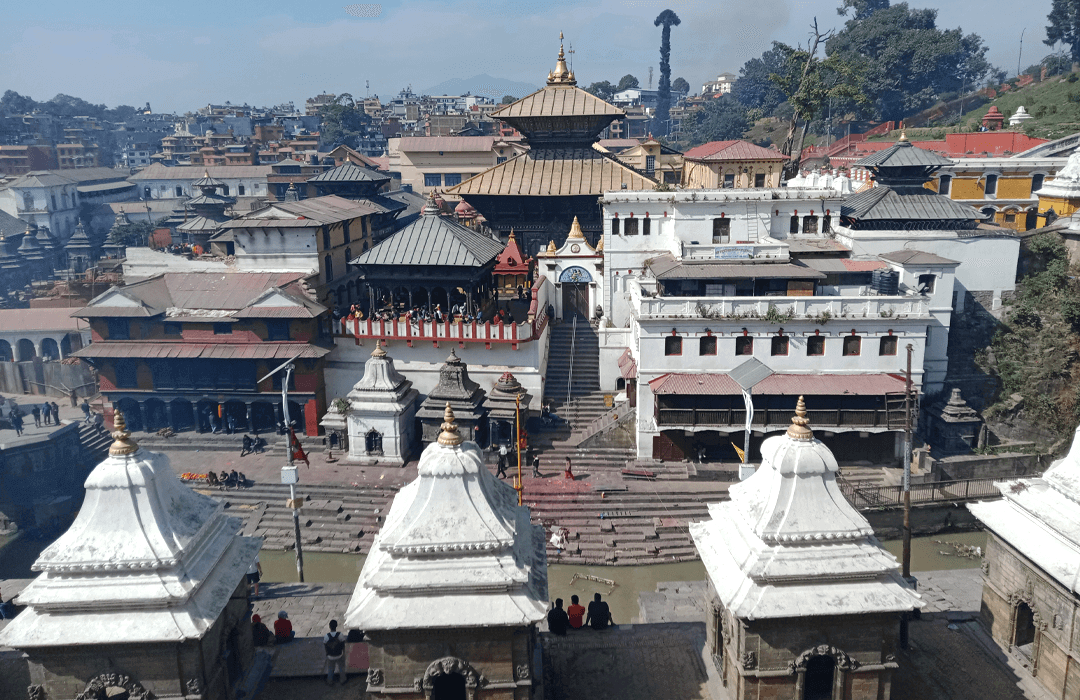
Cultural Policy in Nepal
A policy that could address the multi-dimensional culture of Nepal was in need for a long time. The need of balanced policy to address the issues of heritage conservation was felt especially after 1080. So the first draft of cultural policy was presented in 1993 AD which never came into effect. Likewise, another draft of the policy was formulated in 2004 AD. But right at that period, Nepal witnessed some historically important political changes which shadowed the effort bring forth the policy. The nation was converted from the Kingdom to a Republic State and from the Hindu Country to a secular one. The Nepalese history at this juncture required a national cultural policy that could not only address the new thoughts and opinions about different aspects of culture emerged after the new political changes but also unite and balance the diverse national culture. To fulfill this need of time finally came the National Cultural Policy in 2011 AD.
The Cultural Policy of Nepal has defined the dimensional culture of the nation as: "The national culture of Nepal is the aggregate form of all human communities who lived within the territory of Nepal in different epochs of history or all the intangible and tangible heritages created by them and used, modified, further created and handed over to us by the forefathers of our different castes, creeds or tribes and the lifestyle followed by them accordingly".
The constitution of Nepal says, “Every Nepalese community residing in Nepal shall have the right to preserve and promote its language, script, culture, cultural civilization and heritage”. The existing cultural policy of Nepal also, in exact acquiescence of this constitutional provision, reiterates that it is the right and duty of every Nepali citizen to preserve and protect the cultural heritages which were created, used and handed over by the past generation to us as an ancestral legacy. The main objective of the existing cultural policy is to study and protect all the traditional tangible and intangible heritages of different tribes and communities and to unite the country culturally by promoting mutual respect, good feelings and tolerance for the sake of social harmony.
The Department of Archaeology and its Role and Impact on Society
Department of Archaeology is the only institution of Nepal for the archaeological research and protection of the cultural heritage of the country. Acknowledging the importance of rich Nepali culture, especially the built heritage, the Department of Archaeology was established in 1953 AD, under the ministry of Culture. Ancient Monument Preservation Act, 1956 authorizes the Department as a principal government authority to protect, preserve and manage the archaeology throughout the country. Preservation and protection of monuments and archaeological sites, archaeological exploration, excavation and research are the major assignment of the Department. Moreover, establishing and enhancing the museums, protects, preserves and manages the World Cultural Heritage Sites, and controls the illicit export and import of the movable cultural properties also comes as Department's responsibilities.
Department of Archaeology, being the only institution of its kind, is well known to all concerned people. However, people as expected were not aware of its existence, in spite of being the oldest department of the country till recent past. People were not aware that the Department of Archaeology conserves and restores heritages older than a hundred years. They were equally unaware that there are specific bylaws and standards for heritage conservation. As a result, many of the heritages located specially in the remote areas, were undesirably intervened.
Nevertheless, the earthquake 2015 gave an opportunity for the Department to expose itself among the people as it actively engaged itself for the conservation and restoration of damaged heritages across the country. The Department in a short period of time showed what it could do and was able to get rooted among the people. The Department was proud to have the national acclaim as it was successful to restore five hundred damaged heritages within four years of the earthquake. The Department also had the opportunity to work in close association with the countries such as China, Japan, The USA, Switzerland, Sri Lanka, South Korea etc. which introduced the Department even in the international arena. The Department is obliged to work under many constraints. For instance, it has to carry out a large volume of work with a limited human resource and it must abide by the national procurement laws which are unfriendly to heritage conservation. These limitations sometimes trigger public grievances and criticism of the Department. These criticisms and feedbacks however have sometimes been useful for the Department as they prompt correction to errors made during restoration works.
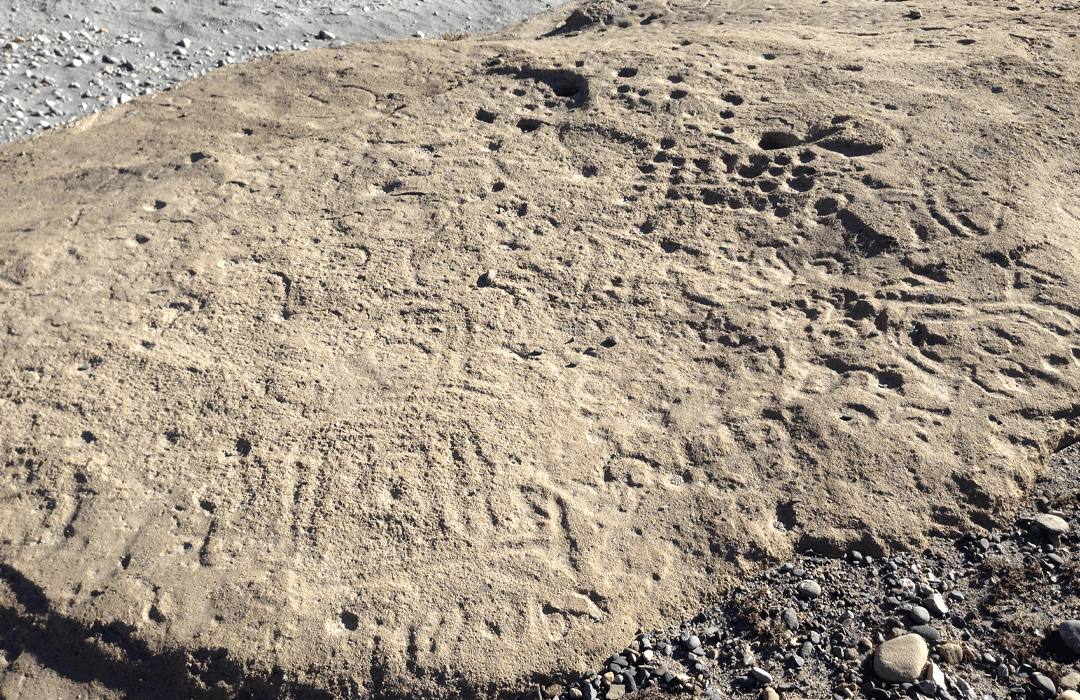
The Policy to Invigorate the Archaeology Department
The cultural policy which was brought forth without ample consultations and discussions with the stakeholders, the policy is often criticized. The policy is criticized specially for its provisions which allegedly do not adequately address the built heritages and world heritage sites. However, if we are to judge it fairly, the policy has made enough provisions about archaeology and heritage protection.
The provisions of the policy in various ways support, enable and invigorate the Department. The policy mentions that the exploration, excavation, and conservation of sites and remains of archaeological importance shall be carried out in planned way. Likewise, the policy ensures the study, conservation and management of moveable cultural heritages of archaeological importance with the participation of the stakeholders. The policy also has the provision of the classification of cultural heritages, and their conservation and management with the participation of the stakeholders. The Department of Archaeology is the major institution to implement these provisions of the policy.
The other major provisions of the policy include, identification and conservation of historical environment and cultural heritage sites, promotion and advertisement of the important aspects of Nepalese culture in national and international levels, reward and honor of the national and international figures for their contribution in the field of Nepalese culture and the establishment of the academy that focuses on intangible cultural heritages and folk lore. These provisions of the policy directly or indirectly call for the active engagement of the Department which provides the opportunity for the Department to interact with the stakeholders, gain the experience and establish itself as an expert of the Nepalese Culture and works related to archaeology.
Cultural Policy and Preparation for Better Future
Many of the goals of the existing cultural policy have already been achieved and the circumstances brought about by the time have vastly changed since the policy was adopted. So, the thorough amendment of the policy has become the need of the time. The new conditions and experiences in the field of archaeology brought about by the earthquake 2015 also showed the necessity of the amendment of the policy. The policy must be amended so that it can include the special provisions for the protection of the originality of the archaeological sites and conservation of the world heritage sites, protected monument zones, private properties within the protected zones and overall cultural landscape of the country.
It has widely been realized that the policy must ensure the Department of Archaeology be given the authority to establish the database system for the scientific documentation of the objects, monuments and sites of archaeological importance, though the Department is making some efforts in this direction even without the policy guidelines. The Silk Road has lately been a burning issue of discussion in Nepal as in many other countries. There are preparation being made to include some provisions to address the need of study and research of the Silk Road.
The Human Resource Development is another major dimension the cultural policy needs to address. The limited personnel of the Department have so far been benefitted by the short term training programs and workshops organized by the friendly nations such as China, Japan, South Korea and India. Apart from these limited access to international exposure for capacity building of the personnel, the state in its own initiation has not been able to send the personnel to international forums for knowledge and skill enhancement in the field of archaeology, archaeological conservation, monument conservation, heritage management etc. The upcoming amendment of the policy must address this need also.
Conclusion
The Department of Archaeology gradually proving itself in national forum and establishing itself as an institution firmly determined to carry out the functions related to archaeology and culture. The Department is outreaching the general public and sensitizing them to abide by the laws and standards concerning the conservation and protection of sites and monuments of archaeological importance. The cultural policy of Nepal has been inspiring and asking for the active engagement of the Department. The policy shall soon be amended for which the preparation and preliminary drafting has already in place. When the policy finally will be amended, the Department is expected to be strengthened and more dynamic. However, it is to be considered that the mere adaptation of the policy will not materialize the needed change. It seems that improvements and positive changes will take time to get translated into reality.

Debendra Bhattarai (Nepal)
He is working in department of archaeology, government of Nepal. He participated in Cultural Heritage Expert Research Fellowship (2016) at Korea Cultural Heritage Foundation


