The Power that Leads Projects to Success
Under the theme of “cultural projects utilizing local cultural resources”, the latest edition of Issue Insight features domestic and international experts’ opinions and case studies of cultural projects utilizing cultural resources
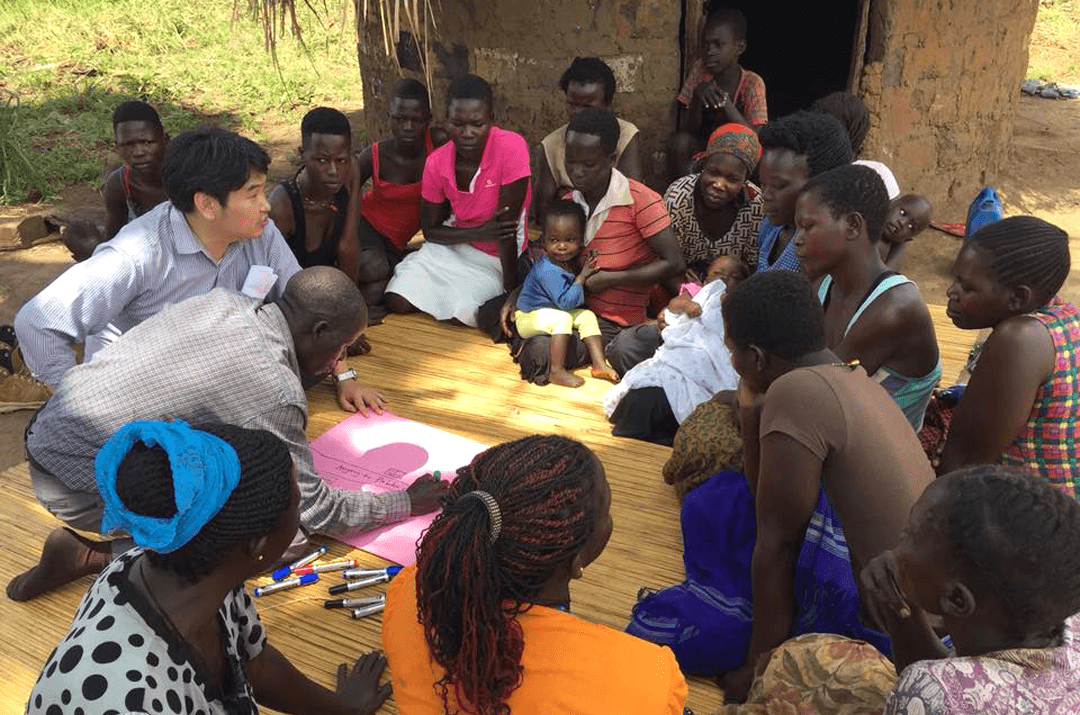
“Culture is the be all and end all of development.” - Léopold Sédar Senghor1)
Development cooperation projects that were designed with good intentions do not necessarily bring positive results. Sometimes they lead to unintended conflict or push local residents to be more reliant and undermine their independence. In that sense, culture is a value that must be essentially considered first and foremost when planning a development cooperation project. In other words, international development cooperation projects that do not reflect local cultures can never be successful.
1) A Senegalese poet and politician
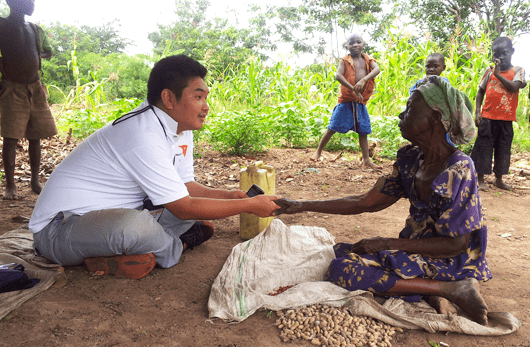
In 2009, I was a part of a drinking water and sanitation project implemented in a town in the Kingdom of Eswatini located in Southern Africa. Having little field experience back then, I blindly focused only on our original plan of building drinking water and sanitation facilities and was struggling to achieve results and change that go beyond my expectations. I failed to encourage local residents to actively participate and change their behavior.
This mistake, however, led me to put effort into understanding and empathizing with the local residents. I learned their language, dance and songs from kids next door, ate local food with the people, listened to the stories of their not-so-simple life, and I slowly became a part of the community. And I was able to re-organize the project from the perspectives of the local residents.
It began with a small change: changing the drawings we used in educational materials for hygiene education. We invited and asked the community’s painters to add more local elements to the drawings. Moreover, we changed the language, phrases and drawings in drinking water and sanitation posters distributed in major local facilities such as schools and medical clinics to the ones made by local painters and residents. These small changes – using more familiar drawings and language – was the very beginning of an inflection point where the local residents became active participants.
We used local traditional music and dance that were orally passed down when providing drinking water and sanitation education, as songs and dances were at the core of the local culture. Singing and dancing with the people helped us to acquire knowledge and communicate with them. We used rocks and wood, which were the most common local materials, instead of blocks and cement when constructing toilets. Using more familiar materials encouraged local residents to take the initiative in building toilets. This served as the basis for more sustainable change after the project was completed as the people maintained and repaired the toilets themselves.
My early experience in the Kingdom of Eswatini served as a stepping stone for me in reflecting and mainstreaming local cultures when implementing projects. It contributed to utilizing the strong unity of our target community and establishing a producers’ co-operative in Cambodia; in Ghana, it led to more active participation of female residents by utilizing their respect for queen mothers and close cooperation in a gender mainstreaming project.
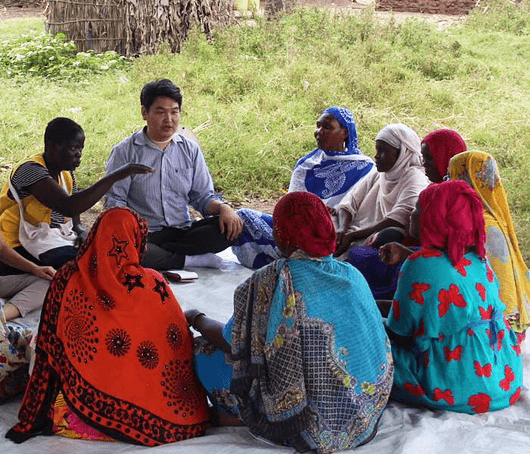
In international development cooperation, culture is the driving force of development that must be enjoyed and preserved. At the same time, it is a cross-cutting issue that must be applied in the planning and implementation of any development cooperation projects as mentioned earlier.
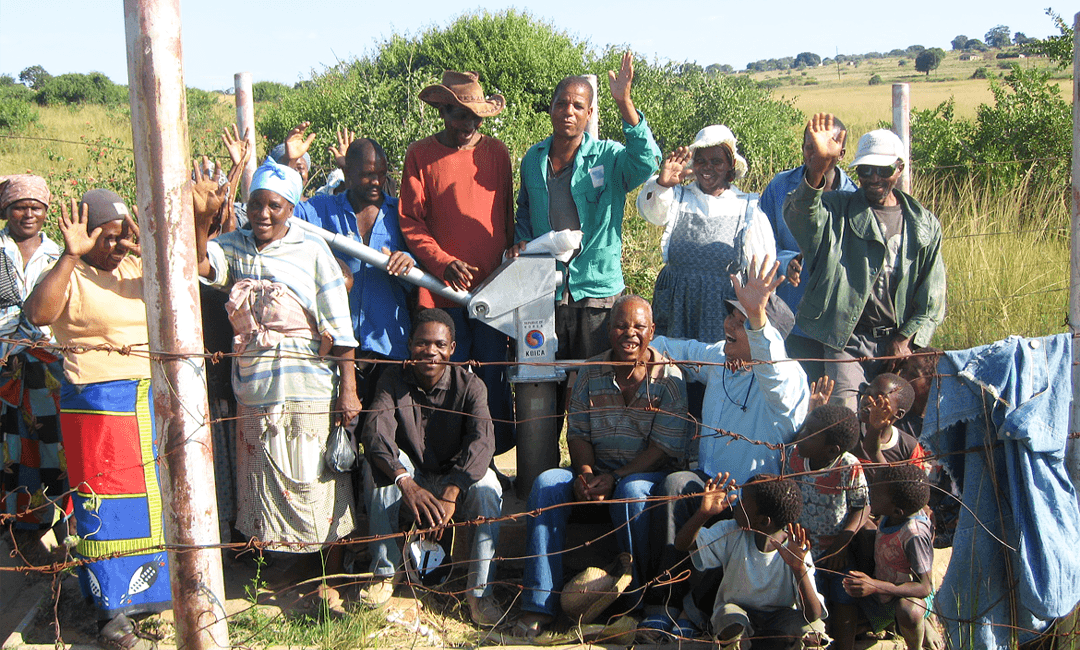
A small change can be the very beginning of a successful international development cooperation project, a project that brings about tangible change for target beneficiaries. It’s all about paying attention to both tangible and intangible culture of the local people – their language, food, religion, festivals, traditional technology and lifestyle – and empathizing with their life.

Kang Douk
A project manager with 14 years of experience, Kang Douk participated in a diverse range of development cooperation projects in countries including the Kingdom of Eswatini, Ghana and Haiti. As the CEO of Mambo Sawasawa, he specializes in projects for the capacity building of the international development cooperation ecosystem and projects that help the isolated of the world to build independence and change the world little by little.


