Reshaping Thai Textiles with Contemporary Design
Under the theme of “cultural projects utilizing local cultural resources”, the latest edition of Issue Insight features domestic and international experts’ opinions and case studies of cultural projects utilizing cultural resources
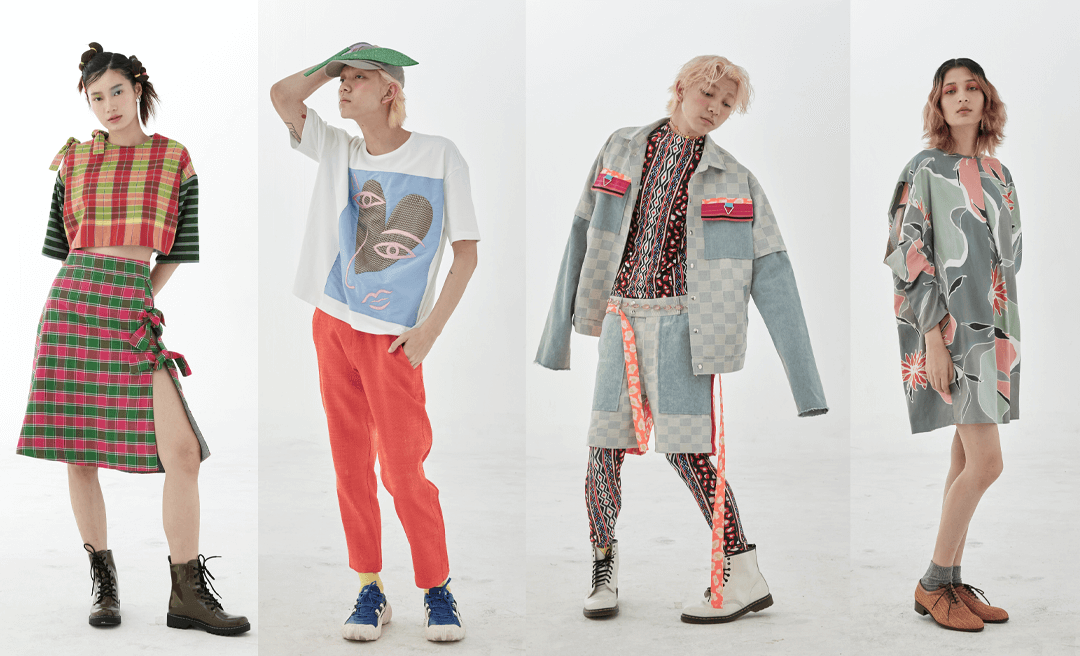
For textile communities in Thailand, sitting in front of the loom or dripping wax on a piece of cloth means much more than making a living. The dedicated hours of working meticulously are steeped in a sense of pride in the ancestorial handicrafts. One advantage that this craftsmanship still celebrates today is its exceptional quality and unique patterns. On the other hand, the downside is the perception that these textiles are only suitable for specific occasions, impractical for modern wear, or worse, too old-fashioned. Such perception has been gradually leaving Thai textiles irrelevant and unattainable in the rapidly changing fashion world.

Several projects have been initiated to promote Thai textiles in new territories. These new approaches defy their familiar forms by showcasing the textiles in modern designs. For several years, the Office of Contemporary Art and Culture (OCAC), Ministry of Culture, has hosted projects aiming to share the idea that Thai textiles can be part of everyday wear and belong to people of all generations. In 2020, for example, OCAC’s Ready-To-Wear selected designs from aspiring designers and sponsored the making of these designs into actual garments. In OCAC’s Contemporary Southern Batik, local batik entrepreneurs from the deep south provinces worked with the country’s top designers to create new batik patterns. These projects provided both the local entrepreneurs and Thai consumers exposure to a new direction for Thai textiles.

The cancellation of events due to Covid-19 since early 2020 further emphasizes the need to reshape Thai textiles more than ever. Compelled to stay at home most of the time, consumers now look for casual and comfortable wear, leaving local textile entrepreneurs with surplus fabrics. OCAC’s Contemporary Thai Textile in 2021 responded to this crisis by emphasizing the potential of Thai textiles in casual wear. The project was divided into two parts. It adopted the concept from Contemporary Southern Batik and invited four prominent designers to work with textile communities from four regions. Through these workshops, designers taught sewing and pattern-making, viable skills that can help textile entrepreneurs turn their surplus materials into marketable products. The project’s second part is for the designers to launch a collection made with textiles from one of these regions.
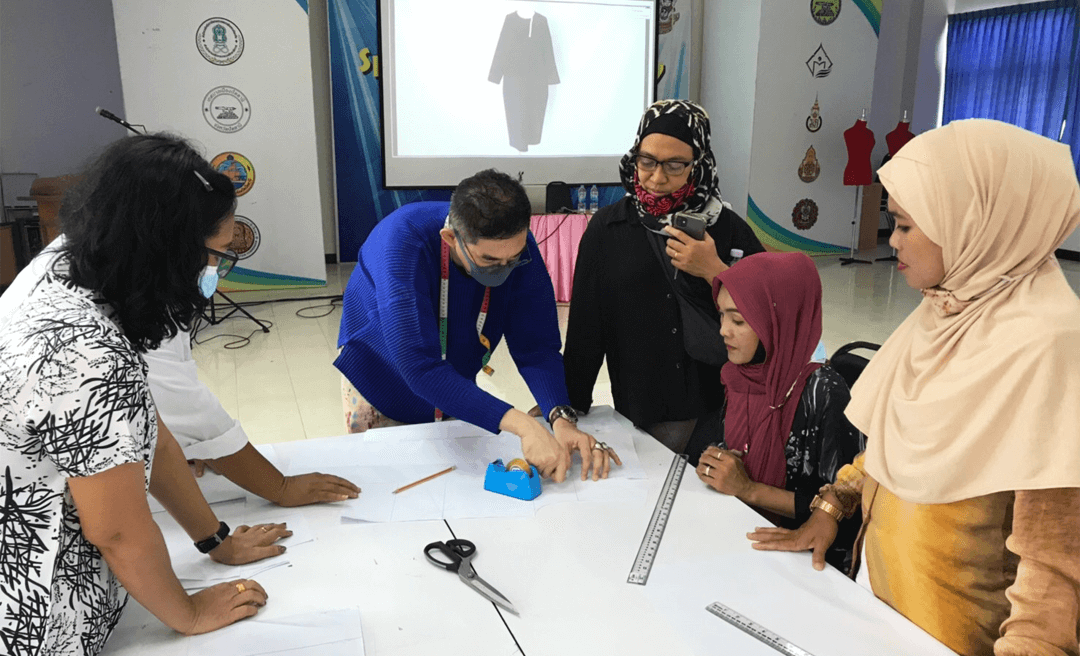
Teera Chantasawat chose to work with batik from Pattani, a deep south province known for its rich culture shared among the Muslim and Buddhist communities. Chantasawat’s collection, Quiet Landscape, focuses on presenting simple garment structures that make an ideal combination with batik patterns. Inspired by Pattani’s simple charm, the designer adds new perspectives to the batik pattern by incorporating the province’s scenery, flowers, and natural resources in the garments. Thaweesak Samanmitra, the owner of AB NORMAL brand, chose the hand-woven textiles made by the Mon ethnic group of Ban Muang village, Ratchaburi Province. His Ban Muang Fall 2021 defies the typical ways of wearing of Ban Muang’s fabric on hot days. With the designer’s signature style comprised of color pairings and playing with plaids and stripes, all pieces in this collection are layered with thicker material inside, making them more suitable for cooler weather. The designer also adopted the Mon’s attire style to create the details that make the textiles appear more unconventional.
Hirankrit Pattaraboriboonkul’s I Love Mae Hong Son works with hand-embroidered pieces and hand-woven silk made by the Shan people and the hill tribes of Mae Hong Son, one of the most ethnically diverse provinces. Inspired by the recent comeback of the retro trend, the designer incorporates all different patterns into a collection that embraces street style with a touch of the 90s and the 2000s. Ek Thongprasert’s collection works with silk from Nakhon Ratchasima province. Thongprasert proposes to find a balance point for quality and cost. He combines silk with less costly, commercial-grade fabrics to bring down the cost of the production and to ease the trouble that goes into taking meticulous care of silk while still maintaining the quality. In terms of style, this collection is inspired by various artworks including Henry Matisse’s cut-outs. The sense of hope reflected in the artist’s works is significantly relevant to these depressive and despairing times under the pandemic.
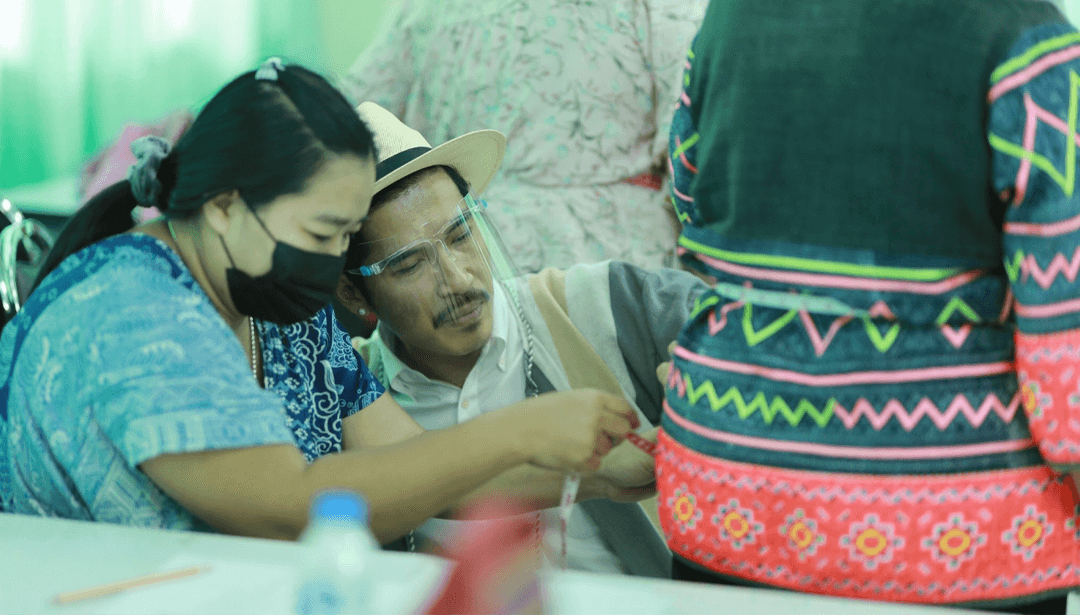
In addition to the projects above, this year OCAC implemented another project on Thai textiles. Targeting eight provinces along the Mekong River in the northeastern region, Mekong Contemporary Arts Festival 2021 was an ongoing project that aimed to celebrate the cultural characteristics shared between Thailand and Laos through art festivals and workshops. This year, the project focused on the theme of local textiles with workshops on sewing and pattern making. Because of the pandemic, the project was implemented on a small scale. However, it drew much attention towards the new potential of these local textiles. It is hoped that the workshops will continue in the following years and acquire a larger scale.
Viewed as a precious tradition passed on from generation to generation, Thai textiles have nonetheless gone through a challenging time. Repurposing Thai textiles with contemporary design will not only boost the local economy but also sustain this cultural heritage. In my view, it is time textile entrepreneurs realized that their products can be developed into new forms. It is equally important that consumers can visualize themselves wearing these textiles on various occasions. Continuous collaborations and sharing of up-to-date knowledge can significantly enhance these crafts in fresh and appealing ways. The relevant, fun, and diverse perspectives of contemporary design can attract more people, regardless of generation, and induce them to experiment with Thai textiles and enjoy a new wardrobe.

Punrada Saengsomboon(Thailand)
As a 2020 CPI participant, she is a cultural affairs officer at the Office of Contemporary Art and Culture, Ministry of Culture, Thailand. She currently focuses on film, literature, and fashion design.


