Spotlight "Ombilin Coal Mining Heritage of Sawahlunto"
Under the theme of “cultural projects utilizing local cultural resources”, the latest edition of Issue Insight features domestic and international experts’ opinions and case studies of cultural projects utilizing cultural resources
OCMHS in a Nutshell
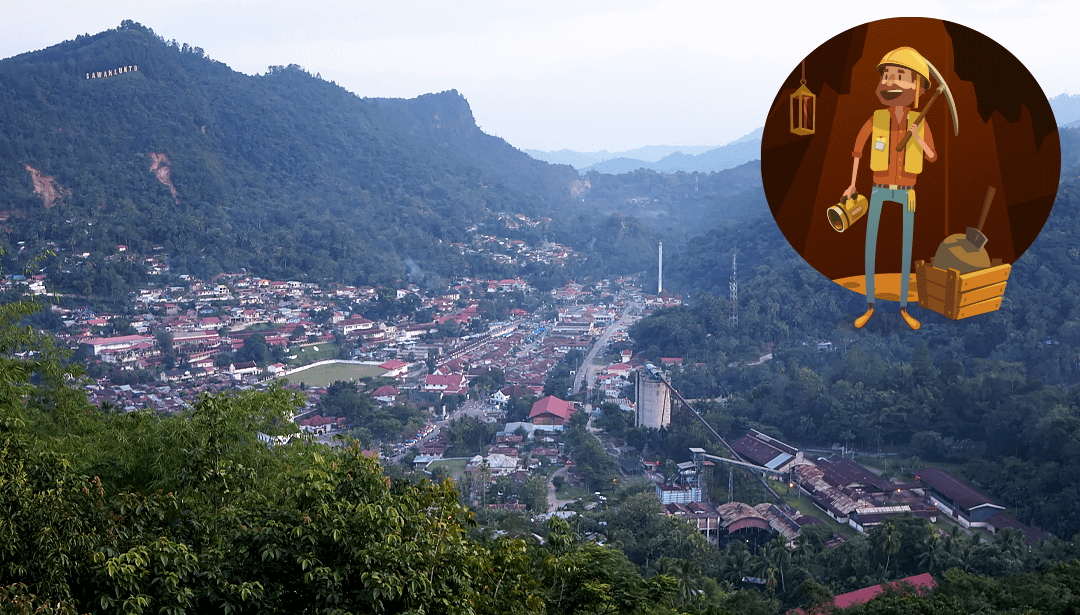
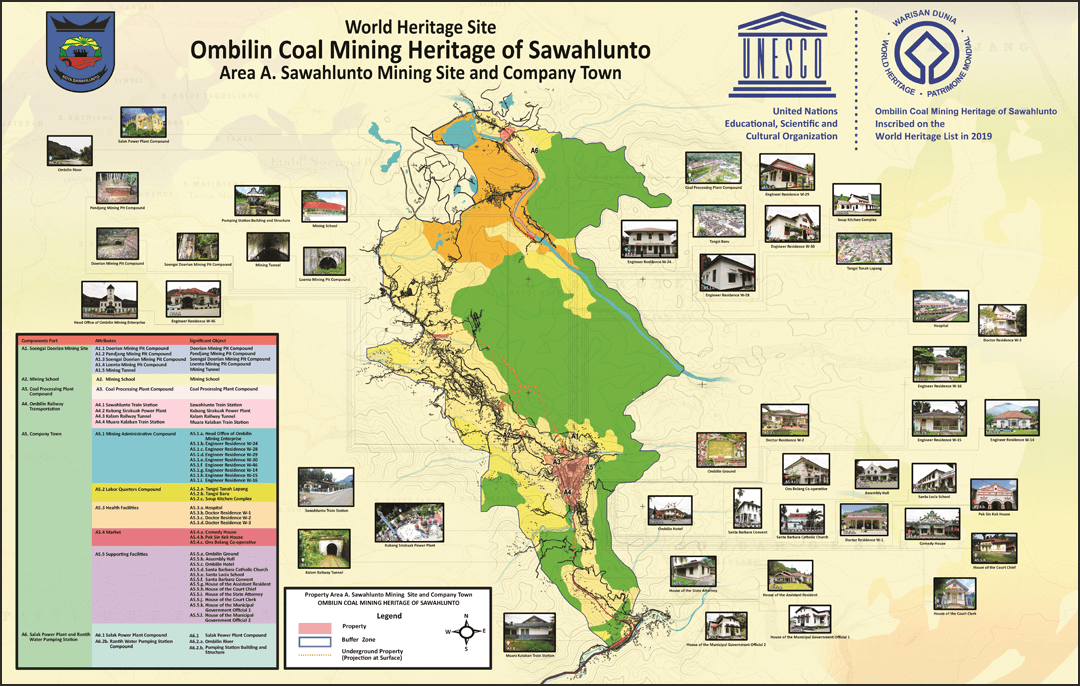
Ombilin Coal Mining Heritage site of Sawahlunto (OCMHS) is a World Heritage center listed with UNESCO since 2019. This site consists of three areas: the coal mining area in Sawahlunto Town, a 155 km track of railway transportation, and the Emmahaven Harbor in Padang. This site consists of 12 components, 24 attributes, and 51 significant objects. The Outstanding Universal Value (OUV) of OCMHS is information exchange of local knowledge with European technology and combination of technology with the landscape of Bukit Barisan Mountain. The first OUV could be found in the mining area whereas the second OUV is applicable to the Urban Planning of Sawahlunto and railway track. This information, however, cannot be delivered to the travelers and tourists who visit this World Heritage site, and for this reason many of them do not understand the value of this area.
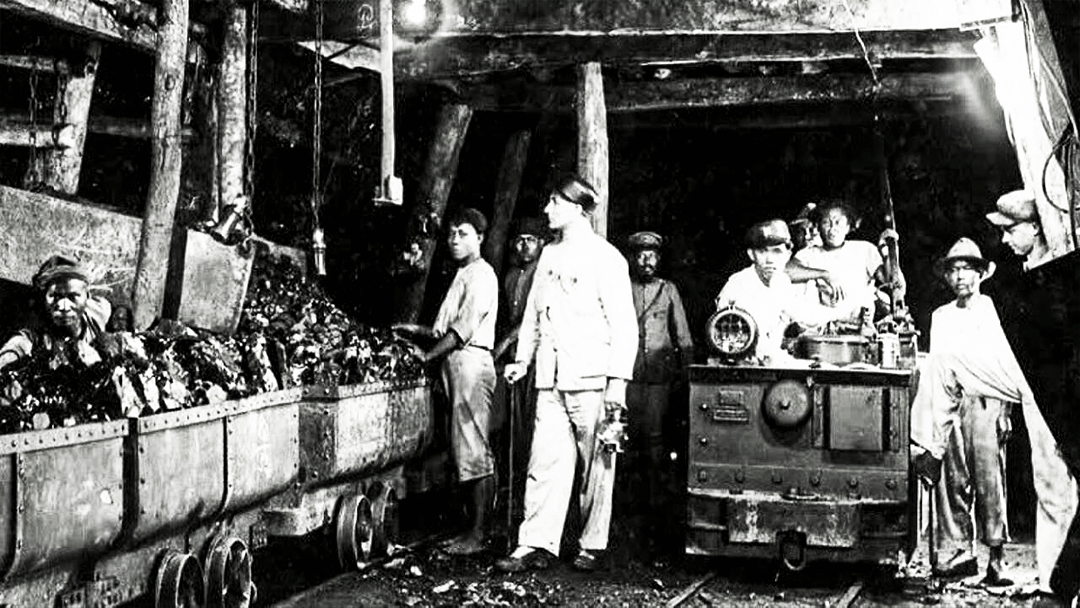
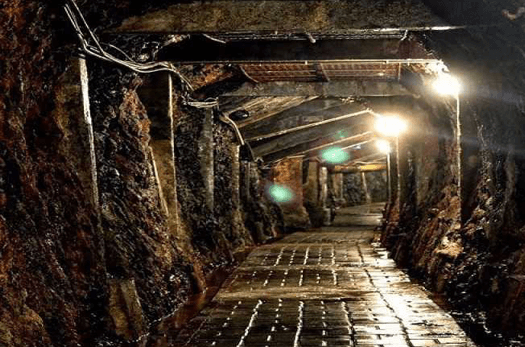
Following the evolution of Sawahlunto is an interesting topic from a cultural perspective. At the time of the first discovery of coal mining in the middle of the 19th century, Sawahlunto was occupied by just about 500 inhabitants. However, this hinterland immediately changed into a City of Industry in the early 20th century. To dredge the coal as much as possible, the Dutch, who colonized Indonesia at the time, brought people from all over Dutch East Indies to work as forced laborers in Ombilin coal mines for decades. These workers had no choice but to live in here. Interestingly, they developed their customs and culture. Sawahlunto gradually formed a unique culture in terms of language, art, tradition, craft, and culinary style.
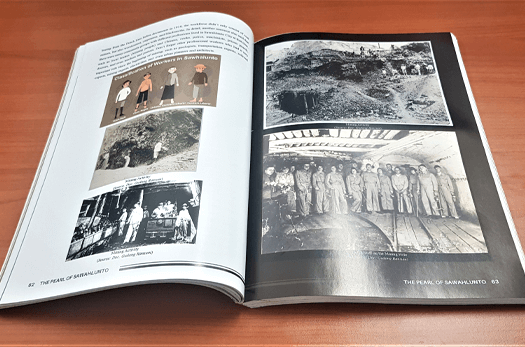
These are the factors we discuss in a book titled The Pearl of Sawahlunto. This bilingual -Indonesian and English- book contains five chapters, and provides many illustrations and pictures from archives. Chapter one is about the geographical conditions and Sawahlunto in a nutshell. Chapter two and three discuss the OUV of coal extraction and railways. The discussions revolve around how two types of underground mining technology were applied to extract millions of tons of coal and how the rail system was structured to channel the coal through difficult terrain. The last two chapters talk about social dynamic and cultural treasures of Sawahlunto. Both chapters review how the dynamic integration of new cultural elements can shape a new culture and to what extent the diversity can support this city according to the tag line they echo.
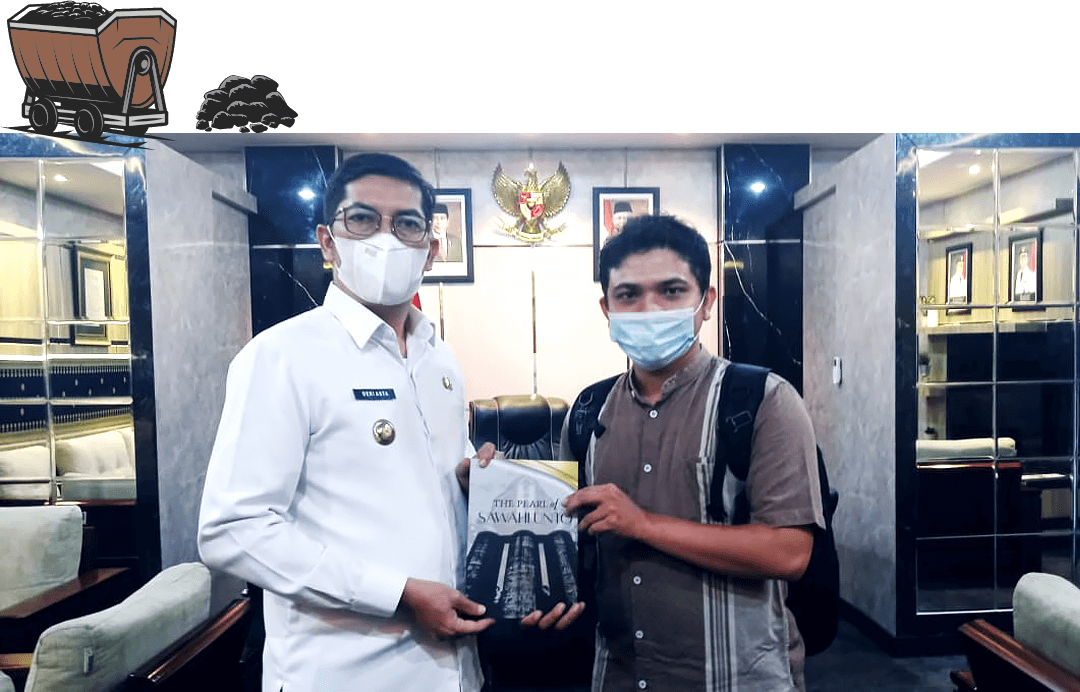
(Left) Mayor of Sawahlunto (Right) Muhammad Afif who is in charge of this project
The Impact for Local People
We choose these topics because it is important to deliver knowledge of these features to the public in a simple way. The OUVs, acculturation, and intangible cultural heritage are the unique features of Sawahlunto. Moreover, the writing follows a popular scientific style. We expect that the community or travelers can understand OCMHS and Sawahlunto more comprehensively in terms of heritage and culture through this book. Incidentally, our creation received positive responses from various parties when it was launched in last February. Of special note was feedback from Mayor of Sawahlunto, the local government, the Indonesian Heritage Trust Foundation, ICOMOS Indonesia, etc. Local people also reviewed and discussed this work on their respective social media pages.
What the residents of Sawahlunto highlight the most is Customary Land, which the indigenous people call Tanah Ulayat (local name of customary land). Basically, the Dutch just rented the land to exploit the coal deposits and they made agreements with the Kubang People, the owners of customary land. Both parties formed an agreement that the Dutch would give compensation and share as much as 10% of their profits annually. However, the Dutch failed to deliver as agreed and the local people chose to fight them. This issue of customary land is still going on nowadays between PT. Bukit Asam -a company that manages coal- and the Kubang People. It should be noted that the company controls 2.950 hectares of land and most of the cultural heritages, in an area that houses thousands of residences and government offices.
It has been pointed out that this book indirectly confirms the existence of the customary land of Kubang People, which is now controlled by the company. This is important as a basis for policy makers to make strategic decisions in the future. It is also important for all parties to find a solution to address the concerns of thousands of families that live in the area. If the residents, especially the Kubang people, are divested of the rights on their land, they will be unwilling to support OCMHS and it will be harder to implement the Vision and Mission of Sawahlunto as a Cultured Mining Tourism City without support from the local people.
Heritage for Education
In my view, a heritage area can serve as a medium of education for the community. Considering its essence, OCMHS can be a Monument of Peace. Behind the glorious facade of its integrated technological engineering and exotic buildings, Sawahlunto hides a dark chapter of history associated with the Dutch colonial period. The stories of people being transported with chained legs and handcuffed hands, people being forced to dig coal in caves from the morning to the evening, the illnesses they suffered from inhaling methane gas, potluck, and community rebellions are also part of the history that must be offered to the public in a more real manner.
In addition, Sawahlunto is a potential living heritage site given that it has several rich tangible and intangible assets. The area is home to artists in various fields of both traditional and modern arts, and the residents develop traditional weaving and musical instruments, and have a deep knowledge in martial arts. Even a puppeteer creates the special puppet of Sawahlunto. These aspects are very good as media of education, especially about peace and traditional wisdom. This is what must be packaged in the best manner possible and conveyed to every visitor. In the end, education is the main goal of heritage management while tourism is the bonus.

Muhammad Afif(Indonesia)
Muhammad Afif is a 2019 CPI participant of International Information and Networking Centre for Intangible Cultural Heritage in the Asia-Pacific Region under the auspices of UNESCO (ICHCAP). He is currently working as a Field Officer of Cultural Data in his hometown under the auspices of the Ministry of Education, Culture, Research, and Technology of Indonesia.


