Training Organization (Publication): EDCN
Seung-Mi SONG
Education Development Cooperation Network(EDCN)
Team Leader, Operation and Planning Department
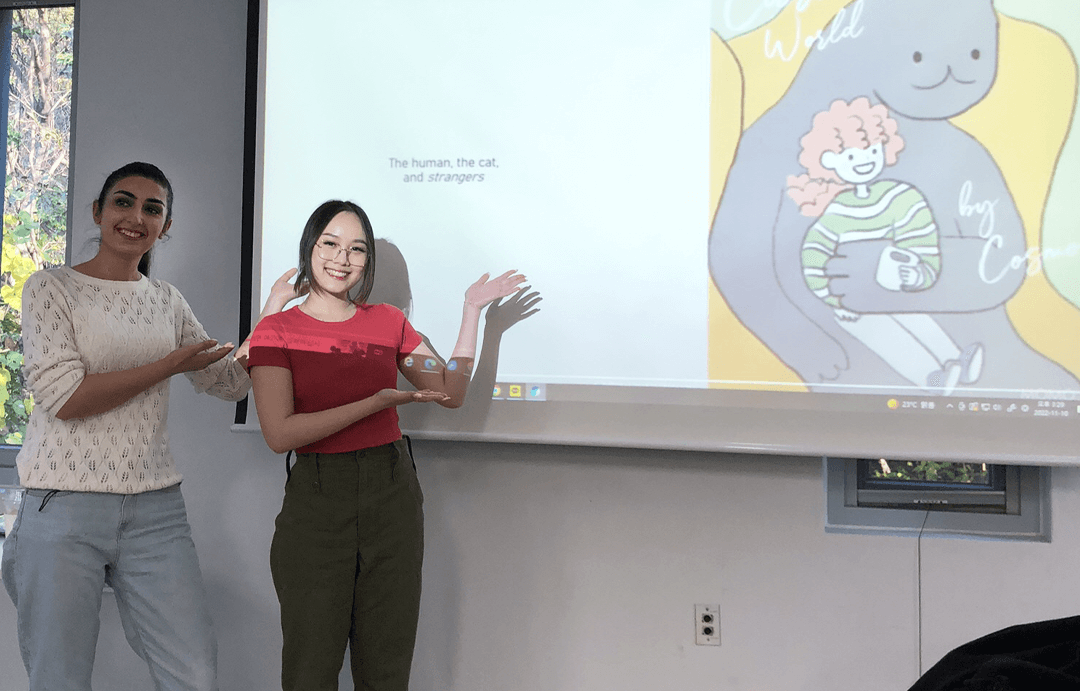
Greetings from the Education Development Cooperation Network (EDCN), a nonprofit NGO dedicated to promoting educational development in underdeveloped partner countries across Africa, Southeast Asia, and South America.
Since 2020, EDCN has collaborated with KOFICE, an outstanding domestic partner organization, to participate in the Cultural Partnership Initiative (CPI). Over the past five years, from 2020 to 2024, this partnership has allowed us to continue supporting underdeveloped partner countries through education-based initiatives. Together with KOFICE, EDCN implemented a training program designed to enhance the capacity of experts—such as writers, illustrators, educators, and translators—from partner countries. The program, conducted in Korea, focused on equipping participants with skills to create educational children’s books using ICT tools.
In 2020, when CPI transitioned to an online format due to the COVID-19 pandemic, doubts arose about whether virtual training could achieve the same impactful results as in-person programs. However, the unwavering commitment of cultural experts from Korea and abroad transcended borders beyond the online space, proving that the pandemic was no barrier to progress.
Between 2020 and 2021, online training sessions were conducted, followed by hybrid programs combining online and in-person training from 2022 to 2024. Through these initiatives, participants developed children’s books addressing critical educational themes such as human rights, environmental awareness, and multiculturalism. These books, produced in both print and video formats, were distributed to children in partner countries, including Ghana, Laos, Mongolia, Vietnam, Brazil, Azerbaijan, Honduras, Ethiopia, India, Indonesia, Thailand, Pakistan, Peru, and the Philippines, among others. As part of the distribution process, participants directly engaged with children in their home countries, conducting educational activities that amplified the program’s impact. These voluntary efforts remain ongoing, extending the initiative’s influence.
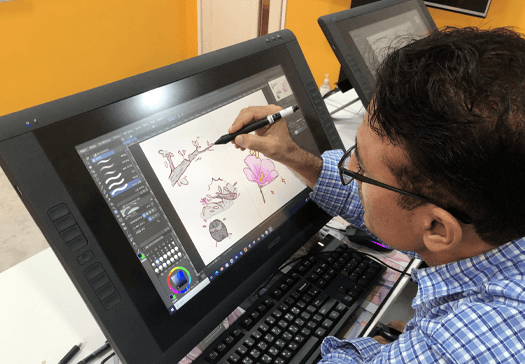
Professional training programs are often designed to prioritize individual growth and skill development. However, CPI’s training program for cultural experts, developed in collaboration with KOFICE, holds unique significance. It extends individual capacity building to foster collective growth, empowering a diverse network of partners within the international community. Through the CPI program with KOFICE, the growth of cultural experts became a catalyst for advancing publishing technologies in partner countries, broadening the scope of educational content, and ultimately contributing to children’s educational development.
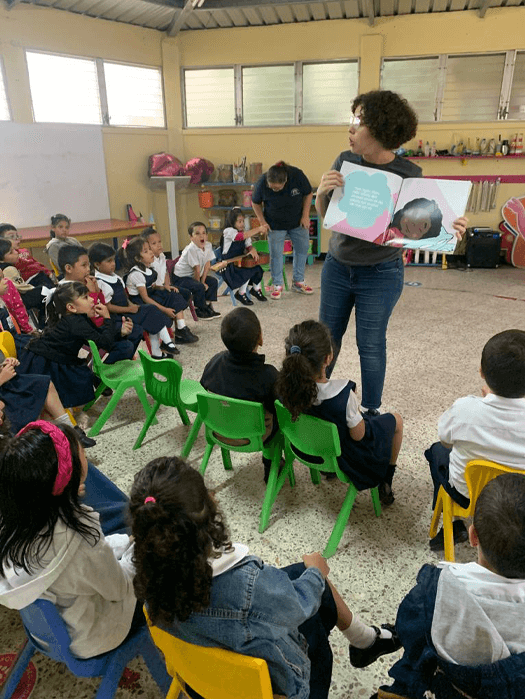
Looking ahead, CPI is poised to serve as a foundation for collective progress, fostering collective progress for all partners beyond individual achievements, as it has consistently demonstrated so far.


