20 Years of the Cultural Partnership Initiative (CPI)
A 20-Year Journey and the Future
Ko-Eun BAE (Monika BAE)
Korea Culture and Tourism Institute
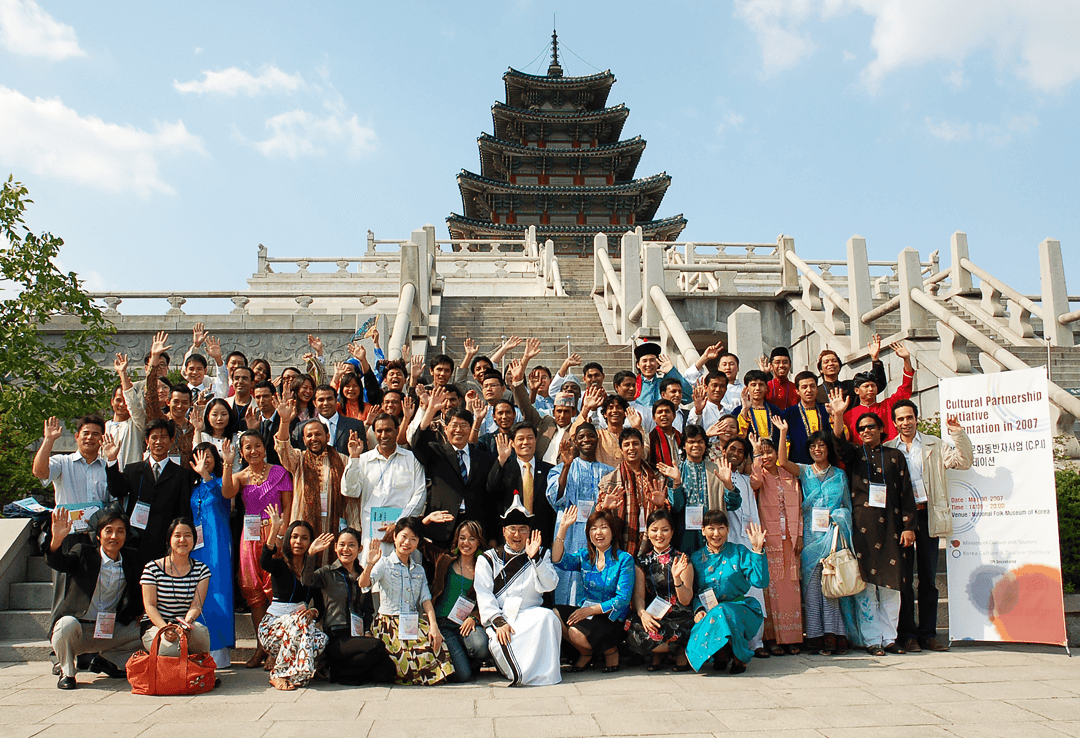
The year 2024 marks the 20th anniversary of the Cultural Partnership Initiative (CPI). Over the past two decades, the program has been instrumental in fostering cultural exchange and mutual understanding between Korea and the wider world while establishing a robust global cultural network. Reflecting on its beginnings in 2005, there was uncertainty about how to initiate and shape the program. Yet one conviction stood firm: the belief in the power of culture to connect people.
The 20-Year Legacy and Its Beginnings
The Cultural Partnership Initiative (CPI) began in 2005 as the Asia Cultural Partnership Initiative (ACPI), with the aim of creating opportunities for exchange among cultural and artistic professionals across Asia. While it gradually evolved into a cultural ODA (Official Development Assistance) project, it has steadily expanded its scope and impact over the years. Through CPI, numerous cultural and artistic professionals have experienced and engaged with Korea, contributing to the global dissemination of Korean culture. As a result, the initiative has grown beyond a platform for artistic collaboration to become a cornerstone of the global cultural network.
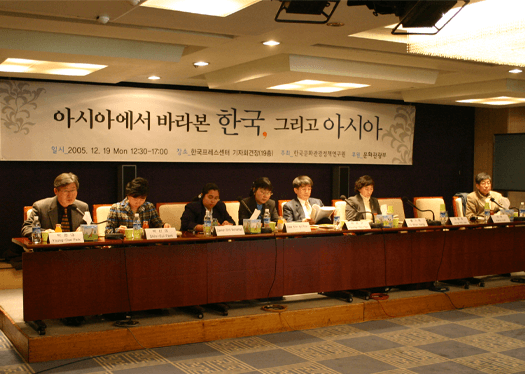
Since 2005, Korean culture has undergone significant transformation, driven in part by the worldwide popularity of its cultural content. Interest in Korea has spread far beyond Asia, giving rise to an unprecedented sense of familiarity and affinity around the world. This growing global interest has not only strengthened cultural exchange but has also extended into political and economic cooperation. Sustaining and deepening these positive relationships is vital to building a solid foundation for expanding meaningful exchanges across multiple fields. The initiative has played a key role in laying this groundwork, thereby enabling deeper and more diverse connections across regions and disciplines.
Understanding Cultural Diversity
and Exchange
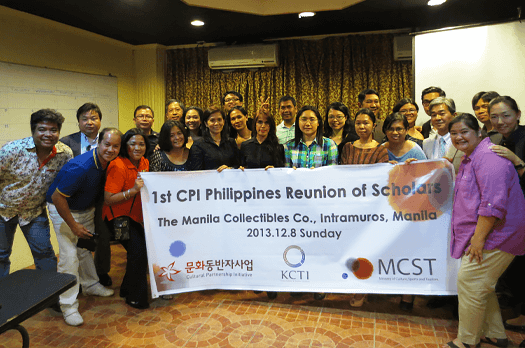
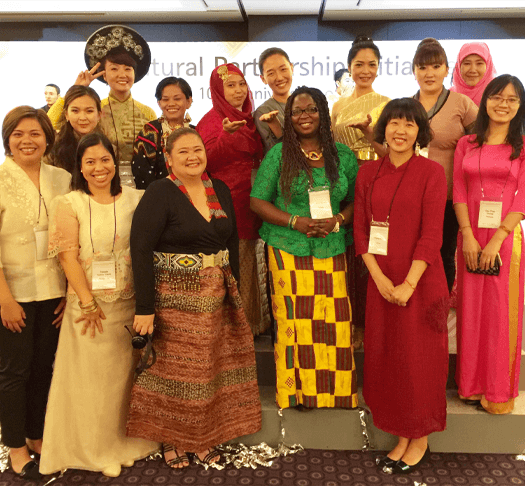
In 2005, for its pilot program, the Cultural Partnership Initiative (CPI) invited foreign experts to Korea for six months to participate in a long-term residency program. Participants benefited from practical training across various fields, as well as Korean language courses, at organizations under the Ministry of Culture, Sports, and Tourism, alongside affiliated and private institutions. That year, 57 participants were invited through 12 projects hosted by 11 institutions. In 2006, the program expanded significantly, welcoming 142 participants from 27 institutions for a 12-month residency. By 2007, CPI broadened its scope beyond Asia, reaching South America and Africa, with 127 participants from 31 countries. This expansion created valuable opportunities for exchange with regions like Central Asia, where such interactions had previously been rare. Host organizations enhanced their training programs in greater detail and offered participants platforms to present their countries’ cultural policies, which further strengthened cultural and tourism policy exchanges between Korea and its global partners. Over the years, CPI continued to grow, extending its reach to Asia, South America, Africa, and Eastern Europe. By 2015, the program had invited 926 professionals in culture, arts, tourism, and sports from 93 countries, building a far-reaching global cultural exchange network. To celebrate its 10th anniversary in 2015, CPI invited 60 cultural partners with ongoing ties to Korea back to the country. Around 140 representatives from host organizations and resident cultural partners also participated in the event. This gathering not only commemorated the program’s accomplishments but also created new opportunities for collaboration and exchange. Since they had stayed connected, collaborating and communicating across borders and disciplines over the years, the event became a celebration of enduring partnerships. It brought them together once again after a decade, reinforcing their bonds and transforming them into true “cultural partners.”
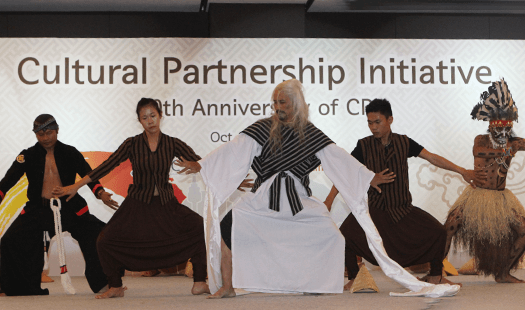
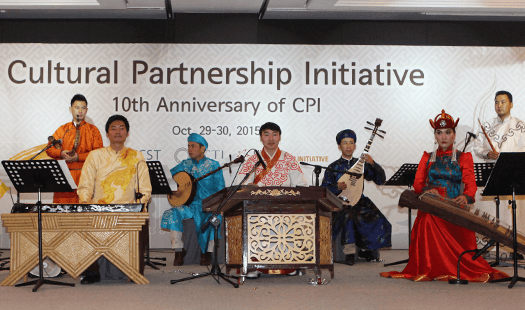
The initiative focuses on fostering sustainable relationships among its participants rather than pursuing short-term outputs or immediate achievements. While many cultural and artistic professionals who participate in the program produce tangible outcomes during their time in Korea, the true significance of CPI lies in its ability to create meaningful connections and cultivate a sense of solidarity. Through this process, artists from around the world can build lasting relationships and establish an essential network that facilitates practical collaboration. CPI has always prioritized the long-term sustainability of these exchanges over short-term results. Even after the completion of the program, CPI ensures that interactions among participants continue and offers opportunities for them to discover new creative partners. To this end, host organizations have made meticulous preparations and provided unwavering support to help participants recognize the intrinsic value of these exchanges. The aim is not only to connect individuals but also to establish a platform for ongoing collaboration and creative engagement. Creating opportunities for participants to build networks is a core component of successful exchanges. Cultural and artistic professionals involved in CPI are often deeply invested in learning about cultural trends and creative activities worldwide, with a strong desire to find new collaborators. However, given the limited opportunities for participants from diverse countries to meet and interact, there is a pressing need for spaces that facilitate information sharing and collaboration.
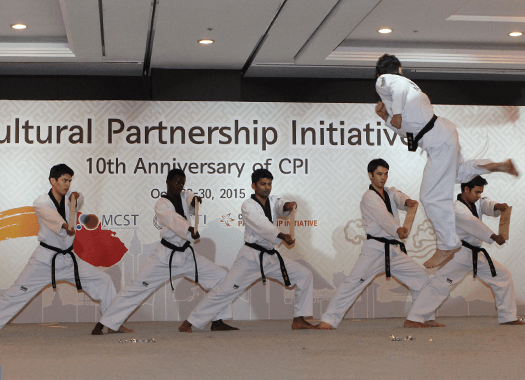
Over the past two decades, CPI has consistently nurtured cultural exchange, overcoming significant challenges along the way. Even during global crises such as the 2008 financial crisis and the 2020 COVID-19 pandemic, CPI maintained its commitment to connection through innovative approaches. Leveraging digital technology, CPI’s online programs and cultural events enabled people to stay connected during the pandemic, presenting new forms of cultural communication that transcended physical barriers. One of CPI’s greatest achievements has been its success in forging cultural connections between Korea and the wider world. Through the program, cultural and artistic professionals have shared their experiences in Korea with those in their home countries, fostering mutual respect and understanding between different cultures. By creating opportunities for collaboration and cultural exchange, CPI has helped position Korea as an important hub in the global cultural landscape.
20 Years of CPI :
A New Journey Toward the Future
The past 20 years have proven the transformative power of cultural exchange in connecting people and building peaceful communities rooted in mutual understanding. Looking ahead, the next 20 years promise to be even more dynamic and inspiring, as CPI embraces the opportunities of an increasingly interconnected world. With the acceleration of digital innovation and globalization, CPI is preparing to chart new directions, highlighting cultural diversity and collaboration. By integrating online and offline modes of exchange, the initiative will continue to serve as a vital crossroads for culture.
As CPI celebrates its 20th anniversary, deep gratitude is owed to all who have contributed to shaping the program. The countless stories of cultural exchange and shared experiences between Korea and the world represent its most valuable assets. Now, CPI embarks on its next 20 years with the hope of bringing more people together through arts and culture while fostering mutual understanding and collaboration. As this new journey begins, CPT remains committed to building sustainable cultural exchange and invites all to join the effort for the next 20 years.

Ko-Eun BAE (Monika BAE)
Korea Culture and Tourism Institute (KCTI)
Head of Performance Diffusion Team


